
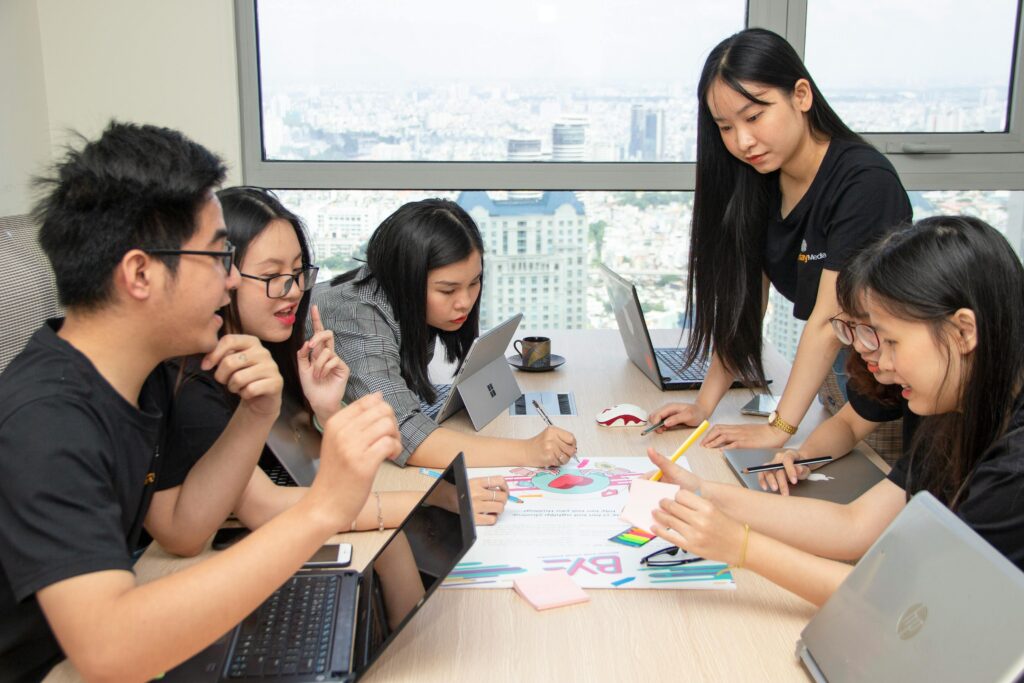
Why Global Companies Hire UX Researchers from China
China has emerged as a global UX research powerhouse, offering compelling advantages for companies seeking to enhance their user experience capabilities:
- Deep Understanding of Asian Markets: Chinese UX researchers bring invaluable insights into the preferences, behaviors, and needs of the world’s largest consumer market and neighboring Asian countries.
- Unique Digital Ecosystem Experience: Expertise in China’s distinctive digital landscape, including WeChat, Alipay, and other platforms that pioneer innovative UX patterns not commonly seen in Western markets.
- Cost-Effective Expertise: Access to highly qualified UX researchers at more competitive rates compared to North American and European markets.
- Expanding Talent Pool: A growing number of UX professionals with international exposure, formal HCI education, and experience with global research methodologies.
- Rapid Prototyping Culture: Experience with China’s fast-paced product development environment, where UX research must deliver actionable insights quickly.
Who Should Consider Hiring China UX Researchers
Several types of organizations can benefit significantly from bringing Chinese UX research talent onto their teams:
- Global Tech Companies: Organizations looking to better understand Asian user behaviors and preferences for product localization and market expansion.
- E-commerce and Retail Brands: Companies seeking insights into Chinese consumer shopping behaviors and expectations to improve their digital storefronts and apps.
- Financial Services and Fintech: Firms wanting to understand China’s advanced digital payment ecosystem and how users interact with financial products.
- Gaming and Entertainment Companies: Developers looking to optimize engagement and monetization strategies for the Chinese gaming market.
- Healthcare and Wellness Organizations: Companies needing cultural insights into how Chinese users engage with digital health services and wearable technology.
Key Skills and Specializations for UX Researchers
Chinese UX researchers often develop specialized skills that reflect both global best practices and the unique requirements of China’s digital landscape:
| Research Methodology | Analysis & Reporting | Technical Skills |
|---|---|---|
|
|
|
Common Specializations
- Mobile App UX Research: Specialized in smartphone user behaviors and expectations in a mobile-first market
- E-commerce UX: Focus on online shopping journeys, conversion optimization, and payment flows
- Super-app Ecosystems: Expertise in the WeChat, Alipay, and similar all-in-one platform experiences
- Fintech UX: Specialized in financial product research, digital payments, and security perception
- Gaming UX: Focus on player experience, engagement patterns, and monetization strategies
- Cross-cultural UX: Expertise in comparing Western and Eastern user expectations and behaviors
Experience Levels of China UX Researchers
Junior UX Researchers (0-2 years)
At this stage, Chinese UX researchers typically:
- Hold degrees in HCI, Psychology, Design, or related fields
- Have foundational knowledge of research methodologies
- Can conduct basic user interviews and usability tests
- Are developing skills in research synthesis
- Often work under the guidance of more senior researchers
- May have stronger technical skills than research methodology expertise
Mid-Level UX Researchers (2-5 years)
These professionals have developed substantial experience:
- Proficient in multiple research methodologies
- Can independently plan and execute research studies
- Skilled at synthesizing findings into actionable insights
- Effective at stakeholder communication
- Often specialize in particular industries or research methods
- May have experience with international research projects
Senior UX Researchers (5+ years)
Experienced professionals with comprehensive skills:
- Expert in designing complex research strategies
- Lead research teams and mentor junior researchers
- Strong at connecting research insights to business goals
- Often have specialized industry expertise
- Skilled at navigating organizational politics
- May have experience with cross-cultural research programs
- Can effectively advocate for user needs within product development
UX Research Managers (7+ years)
Leadership roles with strategic responsibilities:
- Develop research roadmaps aligned with product strategies
- Build and lead UX research teams
- Manage research budgets and resources
- Integrate research into organizational decision-making
- Establish research standards and best practices
- Often have experience with global research operations
Hiring Models to Choose From
When hiring UX Researchers from China, companies can choose from several engagement models, each with distinct advantages and considerations:
| Hiring Model | Best For | Advantages | Considerations |
|---|---|---|---|
| Full-time Employment (Local Entity) | Companies with established presence in China needing dedicated long-term researchers | Full integration into company, maximum control, stronger IP protection | Requires legal entity in China, administrative overhead, complex compliance requirements |
| Full-time Employment (via EOR) | Companies without Chinese entities needing dedicated researchers | Legal compliance handled, fast hiring, no entity setup needed | Monthly service fees, some limitations on direct control |
| Staff Augmentation | Short-term research projects or specialized studies | Flexibility, specialized expertise, minimal commitment | Higher hourly rates, less integration with internal teams |
| Contract Researchers | Specific research initiatives with clear deliverables | Project-based billing, specialized expertise | Potential misclassification risks, less company loyalty |
| Research Agency Partnership | Market-specific research needs or periodic studies | Turnkey services, established methodologies | Higher costs, less control over specific researchers |
For companies looking to build ongoing UX research capabilities in China without establishing a local entity, the Employer of Record (EOR) model often provides the optimal balance of control, compliance, and cost-effectiveness.
How to Legally Hire UX Researchers in China
Legally employing UX researchers in China requires navigating complex labor regulations. Companies generally have two main options:
Option 1: Establish a Legal Entity
This traditional approach involves:
- Setting up a Wholly Foreign-Owned Enterprise (WFOE) or Representative Office
- Registering with multiple government authorities
- Obtaining necessary business licenses
- Setting up local payroll and benefits administration
- Creating compliant employment contracts
- Implementing tax withholding and reporting processes
Option 2: Use an Employer of Record (EOR)
The EOR approach offers a streamlined alternative:
- The EOR legally employs the UX researcher on your behalf
- No need to establish your own Chinese legal entity
- Compliant employment contracts and benefits administration
- Proper tax withholding and reporting
- Legal risk management and compliance monitoring
- Local HR support for day-to-day issues
| Consideration | Entity Setup | Employer of Record (EOR) |
|---|---|---|
| Setup Time | 3-6 months | 1-2 weeks |
| Initial Cost | $15,000-$50,000+ | Minimal or none |
| Ongoing Administration | High (multiple compliance requirements) | Minimal (handled by EOR) |
| Hiring Flexibility | Full control but complex process | Quick hiring with streamlined process |
| Termination Process | Complex, requires careful documentation | Managed by EOR with local expertise |
| Compliance Risk | High, directly borne by company | Reduced, shared with EOR provider |
Working with Employer of Record service providers in China like Asanify enables companies to quickly and compliantly hire UX researchers without the complexity and expense of entity establishment.
Step-by-Step Guide to Hiring UX Researchers in China
Step 1: Define Your Requirements
Begin by clearly defining what you need from your UX researcher:
- Specific research methodologies and specializations needed
- Required experience level and industry background
- Technical tool proficiency expectations
- Language requirements (English proficiency level)
- Required cultural knowledge of specific markets
- Remote work capabilities and time zone availability
Step 2: Select Your Hiring Model
Based on your business needs and timeline:
- Evaluate entity setup vs. EOR approach
- Consider staff augmentation for specific project needs
- Assess benefits and limitations of each model
- Calculate total cost of ownership for each option
- Determine which approach best aligns with your research needs
Step 3: Source Qualified Candidates
Find potential UX researchers through multiple channels:
- Specialized UX recruitment agencies in China
- Chinese professional networks (Maimai, LinkedIn China)
- UX communities and events (IXDC, UPA China)
- University partnerships with HCI and design programs
- Consider outsourcing work to China through staffing agencies with UX expertise
Step 4: Evaluate Candidates Effectively
Implement a thorough assessment process:
- Review portfolios and case studies of past research projects
- Conduct methodology-focused interviews to assess research thinking
- Assign practical research exercises or presentation tasks
- Assess communication skills, particularly English proficiency
- Evaluate cultural understanding and cross-cultural research experience
- Check references from previous employers or collaborators
Step 5: Onboard Successfully
Ensure a smooth start with proper onboarding:
- Provide comprehensive overview of products, users, and research objectives
- Establish clear communication channels and meeting schedules
- Set up access to necessary research tools and resources
- Introduce key team members and stakeholders
- Share documentation on research standards and processes
- Create a structured initial project to build familiarity
When using Asanify as your Employer of Record, we streamline the onboarding process with a comprehensive onboarding checklist for remote employees in China, ensuring all legal and practical aspects are properly addressed while you focus on the research integration.
Salary Benchmarks
UX Researcher compensation in China varies based on experience, location, and industry specialization. The following represents average annual salary ranges in USD:
| Experience Level | Tier 1 Cities (Beijing, Shanghai, Shenzhen) |
Tier 2 Cities (Hangzhou, Chengdu, etc.) |
|---|---|---|
| Junior (0-2 years) | $25,000 – $40,000 | $18,000 – $30,000 |
| Mid-Level (2-5 years) | $40,000 – $65,000 | $30,000 – $50,000 |
| Senior (5+ years) | $65,000 – $90,000 | $50,000 – $75,000 |
| UX Research Manager | $90,000 – $120,000+ | $70,000 – $100,000 |
Additional compensation factors include:
- Industry Premium: UX researchers in fintech, gaming, and tech giants often command 10-20% higher salaries
- International Experience: Previous work with global companies typically adds 10-15% premium
- Technical Specializations: Expertise in quantitative methods, eye tracking, or specialized research areas can increase compensation
- Language Skills: Fluent English speakers with strong presentation skills often earn 5-15% more
- Education: Advanced degrees from prestigious universities (domestic or international) may command higher starting salaries
What Skills to Look for When Hiring UX Researchers
Core Research Skills
- Research Planning: Ability to design comprehensive research plans with appropriate methodologies
- Interview Facilitation: Skills in conducting insightful user interviews that uncover genuine needs
- Usability Testing: Experience designing and moderating effective usability test sessions
- Survey Design: Knowledge of proper survey methodology to collect reliable quantitative data
- Data Analysis: Strong analytical skills for both qualitative and quantitative research data
- Research Synthesis: Ability to identify patterns and extract meaningful insights from diverse data sources
- Participant Recruitment: Understanding of proper sampling methods and screening criteria
Technical Skills
- Research Tools: Proficiency with user research platforms and analytics software
- Prototyping: Basic abilities with tools like Figma, Sketch, or Adobe XD to modify test materials
- Data Visualization: Skills in creating clear visual representations of research findings
- Statistical Analysis: Understanding of basic statistical concepts for quantitative research
- Documentation: Strong abilities to create comprehensive research reports and presentations
Soft Skills and Business Acumen
- Communication: Clear articulation of research findings to diverse stakeholders
- Empathy: Genuine interest in understanding user needs and perspectives
- Objectivity: Ability to remain unbiased and follow the data rather than confirming assumptions
- Stakeholder Management: Skills in navigating organizational dynamics and influencing decisions
- Business Understanding: Ability to connect user research to business goals and metrics
- Cross-cultural Awareness: Sensitivity to cultural differences in user behaviors and expectations
- Adaptability: Flexibility to adjust research approaches based on project constraints
China-Specific Knowledge
- Digital Ecosystem Understanding: Familiarity with China’s unique platforms (WeChat, Alipay, etc.)
- Cultural Context: Knowledge of Chinese user preferences, behaviors, and cultural nuances
- Market Trends: Awareness of evolving digital trends in the Chinese market
- Research Adaptations: Understanding how to modify global research methods for Chinese participants
Legal and Compliance Considerations
Employing UX researchers in China involves navigating several important legal and compliance areas:
Employment Laws
- Labor Contracts: Written contracts are mandatory and must include specific elements under Chinese law
- Probation Periods: Limited to 1-6 months depending on the contract length
- Working Hours: Standard 40-hour workweek with specific overtime payment requirements
- Termination Procedures: Strict rules governing termination with specific notice periods and severance requirements
Mandatory Benefits
- Social Insurance: Employers must contribute to five mandatory social insurance schemes (pension, medical, unemployment, work-related injury, and maternity)
- Housing Fund: Mandatory employer contributions to the employee’s housing fund
- Paid Leave: Annual leave (5-15 days based on years of service), plus public holidays and various statutory leaves
- Other Benefits: Additional benefits may be required based on local regulations in specific cities
Intellectual Property Protection
- Research Outputs: Clear IP assignment clauses are essential for research deliverables
- Confidentiality: Robust confidentiality provisions for user data and research findings
- Non-compete Agreements: Limited enforceability and require compensation during restriction periods
Data Privacy Considerations
- Personal Information Protection Law (PIPL): Compliance with China’s comprehensive data privacy law
- Research Participant Data: Proper consent and data handling procedures for user research
- Cross-border Data Transfer: Restrictions on transferring certain types of data outside China
Navigating these complex requirements can be challenging for companies without experience in China. Asanify’s Employer of Record service ensures full compliance with all Chinese employment regulations, handling these intricate legal details while you focus on research objectives.
Common Challenges Global Employers Face
When hiring and managing UX researchers in China, companies often encounter several challenges:
Language and Communication Barriers
While many Chinese UX researchers have professional English skills, nuanced communication about research findings and methodological details can sometimes present challenges. Different communication styles and expectations around feedback can also create misunderstandings.
Different Research Practices
China’s UX research environment has developed some distinct methodological approaches. Chinese researchers may be more accustomed to faster timelines, pragmatic methodologies, and different reporting standards compared to Western practices.
Time Zone Coordination
With China being 12-15 hours ahead of US time zones and 6-7 hours ahead of European time zones, scheduling collaborative sessions, research debriefs, and stakeholder meetings requires careful planning and often flexibility from both sides.
Cultural Understanding Gap
Western stakeholders may not fully understand the cultural context behind Chinese user behaviors, potentially leading to misinterpretation of research findings or inappropriate product decisions based on Western assumptions.
Regulatory Complexity
China’s employment laws are strict and frequently updated, making compliance a moving target. Many companies struggle with the ongoing administrative burden of staying current with regulations.
Asanify helps companies overcome these challenges through our comprehensive EOR services, combining local expertise with global best practices to facilitate effective integration of Chinese UX researchers into your team.
Best Practices for Managing Remote UX Researchers in China
Establish Clear Research Standards
- Document and share your company’s research methodologies and quality standards
- Provide templates for research plans, protocols, and reporting formats
- Create a shared research repository with examples of good practice
- Conduct calibration sessions to align on research approaches
Bridge Communication Gaps
- Schedule regular one-on-one check-ins with appropriate time zone consideration
- Use visual collaboration tools to overcome language barriers
- Record important meetings for asynchronous review
- Establish clear writing guidelines for research documentation
- Be explicit about communication preferences and expectations
Create Cultural Exchange Opportunities
- Encourage Chinese researchers to share insights about local digital trends
- Organize cross-cultural UX workshops to build mutual understanding
- Pair researchers across regions for knowledge sharing
- Recognize important Chinese holidays and cultural contexts
Provide Appropriate Technology and Tools
- Ensure access to necessary research platforms and analysis tools
- Consider VPN needs for accessing international resources
- Provide collaborative workspaces that work well across time zones
- Set up secure data sharing systems that comply with privacy regulations
Support Professional Development
- Include Chinese researchers in global training opportunities
- Provide access to international UX conferences and resources
- Create mentorship connections with senior researchers
- Recognize and leverage their unique expertise and perspective
Why Use Asanify to Hire UX Researchers in China
Asanify provides a comprehensive solution for global companies looking to hire and manage UX researchers in China without establishing a local entity:
Streamlined Employment Process
- Fast onboarding without entity setup (typically within 1-2 weeks)
- Compliant employment contracts tailored to UX research roles
- Competitive benefits packages that attract top research talent
- Simplified payroll setup in local currency
Complete Compliance Management
- Full adherence to China’s complex labor laws
- Proper calculation and payment of mandatory social benefits
- Ongoing monitoring of regulatory changes
- Risk mitigation for intellectual property and data protection
Local HR Support
- Bilingual HR assistance for day-to-day employment matters
- Cultural guidance for effective researcher management
- Support with performance management and feedback processes
- Assistance with equipment provision and local logistics
Cost and Time Efficiency
- No upfront investment in legal entity establishment
- Transparent monthly billing with no hidden costs
- Elimination of administrative overhead for compliance management
- Faster time-to-value from your UX research investment
By partnering with Asanify as an alternative to traditional global hiring solutions, you can focus on leveraging Chinese UX research talent to improve your products while we handle the complexities of compliant employment.
FAQs: Hiring UX Researchers in China
What is the typical cost of hiring a UX Researcher in China?
Salary ranges vary by experience level and location. Junior researchers typically earn $25,000-40,000 in major cities, mid-level researchers $40,000-65,000, and senior researchers $65,000-90,000+. When using an EOR service, additional costs typically include a monthly service fee of 8-15% of the total employment cost.
How long does it take to hire a UX Researcher in China?
The timeline varies based on your approach. Finding qualified candidates typically takes 3-4 weeks. Using an Employer of Record like Asanify allows you to onboard within 1-2 weeks after selection. If establishing your own entity, the entire process can take 3-6 months or longer.
Do I need to set up a company in China to hire UX Researchers there?
No, you don’t need to establish a legal entity. Using an Employer of Record (EOR) service like Asanify allows you to legally hire UX researchers in China without setting up your own company. The EOR becomes the legal employer of record while you maintain day-to-day work direction.
What are the key differences between UX Researchers in China versus the US or Europe?
Chinese UX researchers often have stronger experience with mobile-first design, super-app ecosystems, and high-volume platforms. They may approach research with more pragmatic, fast-paced methodologies reflecting China’s rapid product development environment. While technical skills are often strong, communication styles and research documentation may differ from Western practices.
How do I ensure intellectual property protection when hiring in China?
Protecting IP requires multiple approaches: clear contractual IP assignment clauses, robust confidentiality agreements, controlled access to sensitive information, and proper onboarding education. Using an EOR like Asanify ensures your employment contracts contain appropriate IP protection clauses that are enforceable under Chinese law.
What benefits am I required to provide to UX Researchers in China?
Mandatory benefits include the “five insurances and one fund” system: pension, medical insurance, unemployment insurance, work-related injury insurance, maternity insurance, and housing fund. Employers must also provide paid annual leave (5-15 days based on work experience), 11 public holidays, and various statutory leaves. When using Asanify’s EOR service, all mandatory benefits are properly structured and administered.
Can UX Researchers in China work remotely for my company?
Yes, remote work arrangements are possible and have become more common, especially since the pandemic. However, even remote employees must be properly employed through a legal entity or EOR service. Chinese employment law applies regardless of whether the employee works from home or an office.
How do Chinese UX Researchers typically approach user research?
Chinese UX research often emphasizes practical, solution-oriented approaches with faster turnaround times than Western counterparts. Researchers typically have strong skills in mobile usability testing, WeChat mini-program research, and understanding the unique features of China’s digital ecosystem. Contextual inquiry and in-context research are highly valued methodologies.
What should I look for in a UX research portfolio from a Chinese candidate?
Look for evidence of methodological rigor, clear research questions, appropriate participant selection, thoughtful analysis, and actionable insights. Strong portfolios will show how research influenced product decisions. For senior roles, look for strategic thinking that connects user needs to business goals, and experience managing research programs rather than just individual studies.
How is UX research different in the Chinese market?
UX research in China often contends with distinct user behaviors shaped by the unique digital ecosystem. Chinese users have different expectations around interface density, feature richness, and payment flows. Research must account for the dominant role of super-apps like WeChat and Alipay, the prevalence of QR codes, and distinctive social commerce patterns not commonly seen in Western markets.
What are the termination procedures if the employment doesn’t work out?
China has strict employee protection laws. Termination generally requires either documented cause (serious misconduct or performance issues with proper warnings), mutual agreement (often with severance payment), or statutory grounds. Unilateral termination without cause typically requires 30 days’ notice plus severance of one month’s salary per year of service. Using an EOR like Asanify helps navigate these requirements compliantly.
Can I hire UX Researchers in China as contractors instead of employees?
While technically possible, China’s labor authorities strictly scrutinize contractor relationships. If the arrangement resembles employment (regular hours, management direction, exclusive work), misclassification risks are significant with potential penalties. For ongoing UX research roles, proper employment is strongly recommended. Asanify can help structure compliant employment without the burden of entity establishment.
Conclusion
Hiring UX researchers from China offers global companies a valuable opportunity to gain deep insights into the world’s largest digital market while accessing skilled talent with unique expertise in mobile experiences, super-app ecosystems, and rapidly evolving user patterns. As China continues to innovate in digital experiences, these researchers bring perspectives that can enhance product development for both Asian markets and global audiences.
While the benefits are compelling, successfully integrating Chinese UX research talent requires navigating complex employment regulations, bridging communication differences, and establishing effective cross-cultural collaboration. The right approach balances legal compliance, cultural understanding, and methodological alignment.
For most global organizations without an existing presence in China, partnering with an Employer of Record like Asanify provides the optimal balance of speed, compliance, and cost-effectiveness. This approach allows you to focus on leveraging UX research insights to improve your products while avoiding the substantial time and financial investment of entity establishment.
By following the best practices outlined in this guide and leveraging the right support services, you can successfully integrate Chinese UX researchers into your global team, gaining valuable user insights while ensuring full compliance with local regulations.
Not to be considered as tax, legal, financial or HR advice. Regulations change over time so please consult a lawyer, accountant or Labour Law expert for specific guidance.