
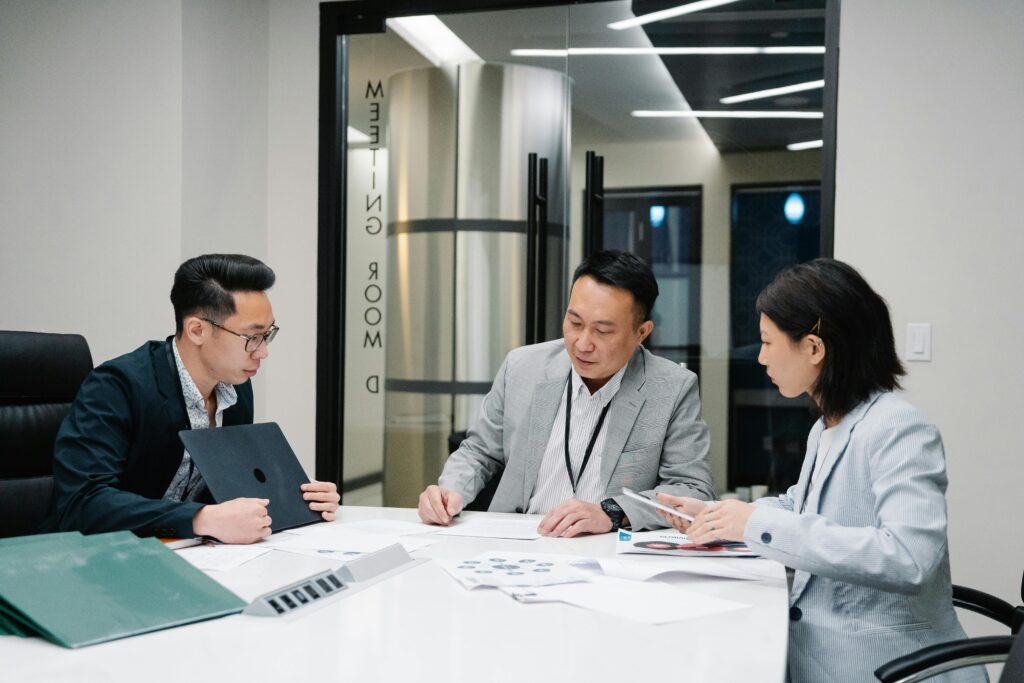
Why Global Companies Hire Foreign Relations Consultants from South Korea
South Korea stands at a critical geopolitical crossroads in Northeast Asia, making its foreign relations professionals uniquely valuable for global organizations. Companies worldwide are increasingly turning to South Korean foreign relations consultants for several compelling reasons:
- Regional Expertise: South Korean consultants offer deep understanding of the complex East Asian geopolitical landscape, including nuanced insights into China, Japan, North Korea, and ASEAN relations.
- Economic Integration Knowledge: With South Korea’s extensive trade networks and FTAs across Asia, Europe, and the Americas, consultants bring practical expertise in navigating cross-border business environments.
- Cultural Mediation Skills: South Korean professionals excel at bridging Eastern and Western business practices and communication styles, facilitating smoother international partnerships.
- Crisis Management Experience: Having operated in a peninsula with ongoing security concerns, South Korean consultants develop exceptional crisis anticipation and management capabilities.
- Tech-Forward Perspective: South Korea’s position as a global technology leader infuses consultants with unique insights at the intersection of tech innovation and international relations.
Who Should Consider Hiring South Korean Foreign Relations Consultants
Several types of organizations can benefit significantly from the expertise of South Korean foreign relations consultants:
- Multinational Corporations Expanding in Asia: Companies seeking market entry or expansion in East Asia gain valuable insights into regional dynamics, business protocols, and regulatory environments.
- International Organizations: NGOs, multilateral institutions, and global foundations benefit from South Korean perspectives on regional development, security issues, and cross-cultural cooperation.
- Government Affairs Teams: Corporate government relations departments enhance their effectiveness with South Korean consultants who understand public-private partnerships and regulatory engagement in Asia.
- Technology Companies: Firms navigating complex tech regulations, digital diplomacy, and cybersecurity issues across Asian markets gain strategic advantage from South Korean expertise.
- Global Investment Firms: Financial institutions analyzing geopolitical risks and opportunities in East Asia benefit from South Korean consultants’ nuanced understanding of regional economic trends.
Key Skills and Specializations for Foreign Relations Consultants
South Korean foreign relations consultants offer diverse specializations to address specific international engagement needs:
| Specialization | Key Focus Areas | Relevant Industries |
|---|---|---|
| Geopolitical Analysis | Regional security dynamics, political risk assessment, conflict analysis | Defense, energy, critical infrastructure, global finance |
| Economic Diplomacy | Trade negotiations, investment promotion, market access strategies | Manufacturing, consumer goods, financial services, agriculture |
| Public-Private Partnerships | Government engagement, regulatory advocacy, stakeholder management | Infrastructure, healthcare, education, technology |
| Corporate Diplomacy | Reputation management, CSR strategy, cross-cultural negotiations | Multinational corporations, consumer-facing brands |
| International Development | Sustainable development, aid effectiveness, international cooperation | NGOs, foundations, multilateral institutions |
South Korean consultants often bring particular expertise in:
- North Korea analysis and engagement strategies
- China-US-Korea trilateral relations
- Regional trade frameworks (RCEP, CPTPP)
- Tech diplomacy and digital governance
- Cultural diplomacy and soft power initiatives
Experience Levels of South Korean Foreign Relations Consultants
Foreign relations consultants from South Korea typically fall into several experience categories, each offering distinct value:
Junior Consultants (1-3 years)
These professionals typically hold master’s degrees in international relations, diplomacy, or related fields from Korean or international institutions:
- Research support on regional geopolitical trends
- Monitoring of political developments and policy changes
- Support for stakeholder engagement activities
- Translation and cultural context for communications
- Assistance with event coordination and diplomatic protocol
Mid-Level Consultants (4-7 years)
With solid experience in government, think tanks, or international organizations, these consultants provide:
- Independent analysis of complex regional issues
- Management of stakeholder relationships
- Development of engagement strategies for specific markets
- Cross-cultural negotiation support
- Project leadership on foreign relations initiatives
Senior Consultants (8-15 years)
Seasoned professionals with extensive networks and specialized expertise offer:
- Strategic counsel on high-level diplomatic engagement
- Crisis management and risk mitigation
- Government affairs strategy development
- Regulatory navigation across multiple jurisdictions
- Representation in international forums and negotiations
Executive Consultants (15+ years)
Former diplomats, government officials, and senior international organization leaders provide:
- C-suite and board-level advisory on geopolitical risks
- High-level government and institutional access
- Strategic vision for long-term international positioning
- Conflict resolution and sensitive diplomatic mediation
- Thought leadership on emerging global challenges
Hiring Models to Choose From
Several engagement models are available when hiring foreign relations consultants in South Korea, each with distinct advantages:
| Hiring Model | Best For | Advantages | Considerations |
|---|---|---|---|
| Full-time Employment | Ongoing strategic foreign relations needs | Deep integration, exclusivity, consistent advisory | Higher fixed costs, administrative complexity |
| Project-Based Consulting | Specific initiatives or market entry | Flexibility, specialized expertise, defined deliverables | Limited availability, potential continuity gaps |
| Retainer Arrangement | Regular but intermittent advisory needs | Ongoing access, predictable costs, relationship continuity | May pay for underutilized capacity |
| Staff Augmentation | Temporary capacity building or special projects | Quick scaling, vetted expertise, reduced hiring complexity | Premium rates, integration challenges |
| Advisory Board Role | Strategic guidance at governance level | Senior expertise, prestige, network access | Limited operational involvement, higher compensation |
When selecting your hiring model, consider factors such as the scope and duration of your foreign relations needs, budget constraints, and the level of integration required with your existing teams. For specialized expertise in South Korea, you may want to explore staffing agencies in South Korea that can help identify the right talent match.
How to Legally Hire Foreign Relations Consultants in South Korea
Employing foreign relations consultants in South Korea involves navigating specific legal structures. Two primary approaches exist:
| Method | Entity Setup | Employer of Record (EOR) |
|---|---|---|
| Timeline | 3-6 months | 1-2 weeks |
| Setup Costs | $10,000-$50,000+ | None or minimal |
| Ongoing Management | Legal, accounting, tax filings, HR compliance | Handled by EOR provider |
| Flexibility | Limited; requires formal dissolution process | High; can scale up or down as needed |
| Compliance Responsibility | Direct responsibility for all legal requirements | Shared with EOR partner |
Entity Setup Process
Establishing a legal entity in South Korea involves:
- Registering with the Commercial Registry
- Obtaining necessary business licenses
- Setting up corporate bank accounts
- Registering for tax and social security
- Creating compliant employment contracts
- Establishing payroll and benefits systems
Employer of Record (EOR) Approach
Using an EOR like Asanify provides significant advantages when hiring foreign relations consultants:
- Immediate legal compliance with Korean employment laws
- No need to establish a local entity
- Complete management of payroll, benefits, and tax filings
- Expertise in proper classification and contracting
- Reduced administrative burden and legal exposure
For companies seeking to quickly engage South Korean foreign relations expertise without establishing a local presence, top Employer of Record (EOR) service providers in South Korea offer a streamlined and compliant solution.
Step-by-Step Guide to Hiring Foreign Relations Consultants in South Korea
Step 1: Define Your Foreign Relations Objectives
Begin with a clear understanding of your international engagement needs:
- Identify specific markets or regions for strategic focus
- Clarify whether you need policy analysis, relationship-building, or crisis management
- Determine if you require sector-specific expertise (e.g., tech, energy, finance)
- Establish key performance indicators for foreign relations initiatives
- Define reporting relationships and decision-making authority
Step 2: Choose Your Hiring Model
Select the most appropriate engagement model based on your needs:
- Evaluate full-time vs. consulting arrangements
- Consider geographical requirements and remote work possibilities
- Determine budget parameters and cost structure preferences
- Assess whether EOR or entity establishment better serves your goals
- Define exclusivity requirements and conflict of interest parameters
Step 3: Source Qualified Candidates
Locate top foreign relations talent through targeted channels:
- Specialized international relations and diplomatic networks
- Korean think tanks and research institutions
- Alumni associations of diplomatic academies and international studies programs
- Professional associations for international affairs specialists
- Government affairs and public policy communities
Step 4: Evaluate Expertise and Fit
Implement a thorough assessment process:
- Review international experience and regional expertise
- Assess language capabilities and cross-cultural communication skills
- Evaluate network breadth and institutional relationships
- Test analytical thinking through policy scenario exercises
- Verify track record in similar advisory or consulting roles
Step 5: Onboard Effectively
Ensure proper integration with your organization:
- Establish clear reporting structures and communication protocols
- Provide comprehensive briefings on organizational priorities and sensitivities
- Clarify confidentiality requirements and information handling procedures
- Set up regular check-ins and feedback mechanisms
- Integrate with relevant internal teams and stakeholders
For foreign relations consultants working remotely, consider implementing a structured remote employees onboarding checklist with EOR in South Korea to ensure seamless integration.
Salary Benchmarks
Compensation for foreign relations consultants in South Korea varies based on experience, specialization, and prior institutional affiliation. Understanding competitive rates is essential:
| Experience Level | Annual Salary Range (KRW) | Annual Salary Range (USD) | Notes |
|---|---|---|---|
| Junior (1-3 years) | 40,000,000 – 60,000,000 | $30,000 – $45,000 | Higher for international education or language skills |
| Mid-Level (4-7 years) | 60,000,000 – 90,000,000 | $45,000 – $67,000 | Premium for specialized regional expertise |
| Senior (8-15 years) | 90,000,000 – 150,000,000 | $67,000 – $112,000 | Higher for government or international organization experience |
| Executive (15+ years) | 150,000,000 – 250,000,000+ | $112,000 – $187,000+ | Varies widely based on profile and network value |
Consulting Rate Structures
For non-employment arrangements, typical consulting rates include:
- Daily Rate: ₩400,000 – ₩2,500,000 ($300 – $1,850) depending on seniority
- Monthly Retainer: ₩3,000,000 – ₩15,000,000 ($2,250 – $11,200) for ongoing advisory
- Project-Based: Varies widely based on scope and deliverables
Additional Compensation Factors
- Institutional Background: Former diplomats or officials from prestigious organizations command premium rates
- Network Access: Consultants with exceptional government or business connections typically receive higher compensation
- International Experience: Work history with global organizations or in multiple countries increases value
- Language Capabilities: Proficiency in multiple languages relevant to target regions adds premium
- Published Expertise: Recognized thought leadership in specific international relations domains enhances market value
What Skills to Look for When Hiring Foreign Relations Consultants
Essential Professional Capabilities
- Geopolitical Analysis: Ability to assess international developments and their implications
- Stakeholder Mapping: Identifying key players and their interests in complex situations
- Diplomatic Communication: Crafting messages appropriate for diverse international audiences
- Strategic Planning: Developing long-term international engagement strategies
- Risk Assessment: Evaluating political, regulatory, and reputational risks
- Network Development: Building and maintaining relationships with influential stakeholders
- Cross-cultural Negotiation: Navigating diverse communication styles and expectations
Technical Knowledge Areas
- Regional Expertise: Deep understanding of specific countries or regions
- International Law: Familiarity with treaties, trade agreements, and regulatory frameworks
- Multilateral Institutions: Knowledge of international organizations and their processes
- Public Policy Analysis: Assessing government policies and their implications
- Economic Diplomacy: Understanding the intersection of business and international relations
Soft Skills and Personal Attributes
- Cultural Intelligence: Adapting effectively across different cultural contexts
- Political Sensitivity: Navigating complex political environments diplomatically
- Ethical Judgment: Maintaining integrity in challenging international situations
- Discretion: Handling confidential information appropriately
- Adaptability: Responding effectively to rapidly changing international developments
- Resilience: Maintaining effectiveness under pressure in crisis situations
- Strategic Thinking: Connecting geopolitical trends to organizational objectives
Language and Communication
- Multilingual Capabilities: Proficiency in Korean plus English and potentially other regional languages
- Writing Excellence: Creating clear, concise policy briefings and analyses
- Presentation Skills: Communicating complex international issues to diverse audiences
- Media Relations: Managing international press and public communications
Legal and Compliance Considerations
Hiring foreign relations consultants in South Korea requires attention to several important legal areas:
Employment Classification
- Employee vs. Independent Contractor: Proper classification is critical under Korean law
- Consulting Agreement Structures: Specific requirements for valid consulting relationships
- Foreign Nationals Considerations: Additional requirements for non-Korean consultants
Confidentiality and Information Security
- Non-Disclosure Agreements: Essential for protecting sensitive international information
- Data Protection: Compliance with Personal Information Protection Act (PIPA)
- Information Classification: Systems for managing different levels of sensitive material
- Secure Communications: Protocols for handling confidential international correspondence
Conflicts of Interest
- Exclusivity Provisions: Clarity on consultant’s ability to work with other organizations
- Client Conflict Management: Protocols for identifying and addressing potential conflicts
- Prior Relationship Disclosure: Requirements for transparency about existing commitments
Foreign Influence Regulations
- Lobbying Disclosure: Requirements for activities influencing government policy
- Foreign Agent Registration: Compliance with regulations on representing foreign interests
- Sanctions Compliance: Awareness of restrictions on certain international engagements
Navigating these complex requirements is challenging for foreign companies. Asanify’s Employer of Record service ensures complete compliance with all Korean employment regulations while mitigating legal risks associated with foreign relations consulting arrangements.
For companies looking to manage international operations from South Korea, understanding how to outsource work to South Korea in a compliant manner is essential for successful engagement.
Common Challenges Global Employers Face
Companies hiring foreign relations consultants in South Korea often encounter several significant obstacles:
Cultural and Communication Barriers
- Nuanced differences in diplomatic communication styles
- Hierarchical business culture impacting information flow
- Indirect communication approaches requiring careful interpretation
- Formal relationship-building expectations
Navigating Complex Networks
- Understanding the interconnected nature of Korean business and government
- Identifying true decision-makers versus formal authorities
- Mapping informal influence networks
- Building trust in relationship-oriented professional environments
Political Sensitivities
- Managing tensions related to North Korea, China, Japan relations
- Navigating Korea-specific historical and territorial sensitivities
- Aligning with shifting diplomatic priorities in a dynamic region
- Balancing multiple stakeholder perspectives on contentious issues
Compliance and Transparency
- Understanding Korean anti-corruption and transparency requirements
- Managing appropriate boundaries in government and public sector engagement
- Navigating different expectations about gift-giving and hospitality
- Maintaining proper documentation of relationship-building activities
Asanify helps companies overcome these challenges by providing expert guidance on cultural integration, compliance management, and effective engagement strategies for foreign relations professionals in South Korea. Our EOR solution ensures you can focus on strategic international relations while we handle administrative and legal complexities.
Best Practices for Managing Remote Foreign Relations Consultants in South Korea
Strategic Alignment and Communication
- Regular Strategy Sessions: Schedule consistent alignment on international priorities and approaches
- Clear Reporting Structures: Establish explicit lines of authority and decision-making protocols
- Documentation Practices: Implement systems for recording key stakeholder interactions and insights
- Secure Communication Channels: Utilize appropriate tools for different sensitivity levels of discussion
- Cultural Context Translation: Create processes for explaining cultural nuances in international engagement
Knowledge Management and Integration
- Systematic Briefing Protocols: Establish formats for sharing international developments and analyses
- Relationship Mapping: Maintain shared documentation of key stakeholders and relationship status
- Institutional Memory Systems: Create repositories for preserving insights and historical context
- Cross-team Integration: Connect foreign relations consultants with relevant functional teams
- Regular Knowledge Sharing: Schedule presentations on regional developments and implications
Performance Management
- Clear Deliverables: Define specific outputs and analytical products expected
- Measurable Objectives: Establish concrete KPIs for relationship development and influence
- Regular Feedback Cycles: Implement structured review processes for consultant contributions
- Value Demonstration: Create systems for quantifying impact of foreign relations activities
- Professional Development: Support continuous learning on emerging international issues
Cultural Integration
- Cultural Briefings: Provide orientation on Korean business and diplomatic customs
- Relationship-Building Time: Allow for proper relationship development in Korean context
- Respect for Hierarchy: Recognize status considerations in team structures and communications
- Strategic Use of Face-to-Face: Identify key moments requiring in-person presence
- Appropriate Recognition: Acknowledge contributions in culturally meaningful ways
Why Use Asanify to Hire Foreign Relations Consultants in South Korea
Asanify offers specialized solutions for companies seeking foreign relations expertise in South Korea:
Simplified Employment Without Entity Setup
- Hire foreign relations consultants in days, not months, without establishing a Korean entity
- Complete legal compliance with Korean labor laws and diplomatic sector regulations
- Professionally managed employment contracts with appropriate confidentiality provisions
- Competitive benefits packages designed for high-level advisory professionals
Specialized Expertise for Diplomatic Professionals
- Deep understanding of the South Korean foreign relations ecosystem
- Knowledge of competitive compensation structures for international affairs experts
- Experience with appropriate contracting for politically sensitive work
- Guidance on compliance with foreign influence and transparency regulations
Comprehensive Employment Management
- Full payroll processing in compliance with Korean tax requirements
- Management of all mandatory insurance and benefit programs
- Handling of work permits and visas for international consultants
- Ongoing HR support and employment compliance monitoring
Risk Mitigation for Sensitive Engagements
- Protection from misclassification and employment law violations
- Expert management of confidentiality and information security requirements
- Proper documentation for specialized advisory relationships
- Guidance on appropriate boundaries for government and public sector engagement
With Asanify as your Employer of Record in South Korea, you can focus on leveraging foreign relations expertise to advance your international objectives while we handle the complex administrative and legal aspects of employment.
FAQs: Hiring Foreign Relations Consultants in South Korea
What exactly does a Foreign Relations Consultant from South Korea do?
A Foreign Relations Consultant from South Korea typically provides strategic advice on international engagement, particularly in East Asia. They analyze geopolitical trends, develop stakeholder engagement strategies, facilitate cross-cultural communications, and help organizations navigate complex diplomatic environments. Their work may include government affairs advisory, political risk assessment, relationship-building with key decision-makers, crisis management during international tensions, and developing market entry strategies that account for geopolitical considerations.
What makes South Korean foreign relations expertise unique compared to other countries?
South Korean consultants offer distinctive value through their understanding of East Asian dynamics from a middle-power perspective. They bring insights from a nation that balances relationships between global powers (US, China) while maintaining complex regional ties (Japan, North Korea). Their expertise is shaped by South Korea’s remarkable economic development story, creating practical knowledge about international trade, development cooperation, and technological diplomacy. Additionally, they understand the nuances of Asian business cultures while often having international education and experience, making them effective bridges between Eastern and Western approaches.
How long does it take to hire a Foreign Relations Consultant in South Korea?
The hiring timeline typically ranges from 4-12 weeks for direct recruitment, depending on seniority and specialization. This includes defining requirements (1-2 weeks), sourcing candidates (2-4 weeks), interviewing and assessment (2-3 weeks), and offer negotiation (1-3 weeks). Using Asanify’s EOR solution can significantly reduce this timeline by eliminating entity setup requirements and streamlining onboarding processes, allowing you to engage consultants within 1-2 weeks once identified.
Do South Korean Foreign Relations Consultants typically speak English?
Most professional-level foreign relations consultants in South Korea have strong English proficiency, particularly those with international education or experience in diplomatic, multilateral, or global business environments. Senior consultants often speak English fluently, while many also have working knowledge of other languages relevant to the region (Chinese, Japanese). Language capabilities vary based on career background, with those from academic or government backgrounds sometimes having more formal rather than conversational English skills.
What’s the difference between hiring a Foreign Relations Consultant and a Government Affairs specialist?
While there’s overlap, Foreign Relations Consultants typically focus on broader international strategy, cross-border relationship management, and geopolitical risk assessment. Their expertise centers on navigating relationships between countries, international organizations, and global stakeholders. Government Affairs specialists typically concentrate more narrowly on managing relationships with specific government entities, regulatory advocacy, and policy compliance within a single country. Foreign Relations Consultants often bring diplomatic experience and international networks, while Government Affairs specialists may have deeper knowledge of domestic policy processes.
How should we integrate a South Korean Foreign Relations Consultant with our existing team?
Effective integration starts with clear role definition that specifies how the consultant’s international expertise complements your team’s capabilities. Establish structured knowledge-sharing mechanisms through regular briefings and collaborative platforms. Create opportunities for the consultant to build relationships across departments that have international touchpoints. Provide cultural context about your organization’s approach to international engagement, and equally, encourage the consultant to share insights about Korean business culture. Consider assigning a primary internal contact for consistent communication and feedback.
What confidentiality and security measures should we implement?
Given the sensitive nature of foreign relations work, implement comprehensive confidentiality measures including detailed NDAs covering both your information and third-party data encountered during stakeholder engagement. Establish clear protocols for document classification, secure communications, and information sharing. Define explicit boundaries regarding public commentary on sensitive issues, particularly concerning international relations. For remote consultants, implement secure access controls, encrypted communication channels, and clear policies on device usage and information storage. Asanify can help structure appropriate confidentiality agreements compliant with Korean legal requirements.
How do we measure the effectiveness of a Foreign Relations Consultant?
Effectiveness can be measured through both relationship-based and outcome-based metrics. Relationship indicators include development of new strategic partnerships, improved access to key decision-makers, and enhanced reputation with international stakeholders. Outcome metrics might include successful navigation of regulatory challenges, mitigation of political risks, favorable policy outcomes, or strategic business opportunities secured. Additionally, measure the quality of intelligence provided through assessment of analysis accuracy, timeliness of critical information, and the practical applicability of strategic recommendations to your international objectives.
What should we consider regarding intellectual property with Foreign Relations Consultants?
Clearly define ownership of work products including analyses, reports, stakeholder maps, and strategic frameworks. Address attribution rights for the consultant’s expertise while protecting your organization’s confidential information. Consider the balance between the consultant’s need to leverage their existing knowledge and your requirements for exclusivity. For consultants who maintain multiple clients, establish clear boundaries regarding information sharing and potential conflicts. Asanify helps implement appropriate IP protections in consultant agreements while ensuring compliance with Korean employment laws.
How do South Korean work standards and expectations differ from Western practices?
South Korean professional culture places strong emphasis on hierarchy, group harmony, and relationship development. Decision-making often involves more consensus-building than in Western organizations. Communication tends to be more indirect, with important contextual information sometimes conveyed implicitly. Professional relationships typically blend personal and business elements more than in some Western contexts, with after-hours socialization considered important for relationship-building. Working hours can be longer, though expectations are evolving, and face-time may be valued alongside actual productivity.
Can we hire a consultant who previously worked for the South Korean government?
Yes, but with important considerations. Former government officials often bring valuable expertise and networks but may be subject to “cooling-off” periods or restrictions on certain activities after leaving public service. These restrictions vary based on their previous position and responsibilities. Proper disclosure of previous government roles is essential for transparency. When structuring such relationships, clearly document the scope to focus on legitimate advisory rather than improper influence. Asanify can help navigate the ethical and legal considerations of engaging former government officials as consultants.
What are typical engagement terms for high-level Foreign Relations Consultants?
Senior consultants often prefer flexible arrangements that recognize their expertise and status. These typically include retainer structures with guaranteed minimum hours, clear scope boundaries, and provisions for additional compensation for extraordinary demands or travel. Engagement terms usually address exclusivity expectations, conflict management protocols, and appropriate public attribution of the relationship. For former officials or high-profile experts, considerations may include approval rights for how their name and background are used in corporate materials. Term lengths typically range from 6-12 months with renewal provisions.
How do we handle sensitive political issues when working with South Korean consultants?
Establish clear protocols for discussing sensitive topics like North Korea relations, historical issues with Japan, or China-US tensions. Create explicit guidance on public vs. private positions and documentation practices for sensitive analyses. Develop approval processes for external communications touching on contentious issues. Maintain awareness of the consultant’s own background and potential biases on politically charged topics. Regular alignment discussions ensure both parties understand boundaries and expectations regarding politically sensitive matters, especially those affecting South Korea’s international relationships.
Conclusion
South Korean foreign relations consultants offer invaluable expertise for organizations navigating the complex geopolitical landscape of East Asia and beyond. Their unique perspective as professionals from a dynamic middle power with extensive global connections provides strategic advantages for international engagement, risk management, and cross-cultural business development.
When considering how to bring this specialized expertise into your organization, the choice between establishing a Korean entity and utilizing an Employer of Record solution like Asanify depends on your specific needs, timeline, and scale. For companies seeking rapid, flexible, and compliant access to foreign relations talent without the administrative burden of entity establishment, Asanify provides an ideal solution that handles all legal, payroll, and HR responsibilities.
By understanding the unique qualifications, compensation expectations, and professional practices outlined in this guide, organizations can successfully integrate South Korean foreign relations expertise into their global strategy. Whether you’re entering Asian markets, managing complex stakeholder relationships, or developing international partnerships, South Korean consultants bring valuable insights that can significantly enhance your organization’s global effectiveness.
With proper planning and support, hiring foreign relations consultants from South Korea can transform your approach to international engagement, helping you navigate an increasingly complex global landscape with confidence and cultural intelligence.
Not to be considered as tax, legal, financial or HR advice. Regulations change over time so please consult a lawyer, accountant or Labour Law expert for specific guidance.