
ATS in HR

Intro to ATS in HR
ATS stands for Applicant Tracking System, a software application that automates recruitment workflows. It helps HR teams manage job postings, screen resumes, and track candidates through the hiring pipeline. Modern organizations rely on ATS platforms to handle high volumes of applications efficiently and reduce time-to-hire.
Definition of ATS in HR
An Applicant Tracking System (ATS) is a digital tool designed to streamline recruitment processes from start to finish. It collects and organizes candidate information, filters applications based on keywords and qualifications, and maintains a centralized database of talent. HR professionals use ATS software to post jobs across multiple channels, communicate with candidates, schedule interviews, and generate hiring reports. The system acts as a single source of truth for all recruitment activities, ensuring compliance with hiring regulations and improving collaboration among hiring teams.
Importance of ATS in HR
ATS platforms transform how organizations attract and evaluate talent. They significantly reduce manual work by automatically parsing resumes and ranking candidates against job requirements. This automation allows recruiters to focus on building relationships rather than administrative tasks. Additionally, ATS software ensures consistent candidate experience through automated email updates and standardized screening processes. The data captured in these systems enables HR leaders to identify bottlenecks in the hiring funnel and make evidence-based improvements. For companies operating across multiple locations, an HRMS Singapore solution with ATS capabilities ensures compliance with local hiring regulations while maintaining operational efficiency.
Examples of ATS in HR
High-Volume Recruitment: A retail chain receives thousands of applications for seasonal positions during peak shopping months. Their ATS automatically screens resumes for minimum qualifications, sends rejection emails to unqualified candidates, and schedules phone screenings with eligible applicants. The system reduces screening time from weeks to days.
Multi-Location Hiring: A technology company expanding across Asia needs to hire software engineers in Malaysia, Singapore, and the Philippines. Using an HRMS Malaysia platform with integrated ATS, recruiters post jobs to local job boards, track candidates separately by location, and ensure compliance with each country’s employment laws throughout the hiring process.
Campus Recruitment: A consulting firm visits multiple universities each year to recruit fresh graduates. Their ATS creates a dedicated pipeline for campus hires, stores interview feedback from multiple rounds, and maintains relationships with candidates who will join several months after graduation. The system sends automated updates about joining procedures and required documentation.
How HRMS Platforms Like Asanify Support ATS
Modern HRMS platforms incorporate ATS functionality alongside payroll, attendance, and employee management features. These integrated systems allow seamless transition from candidate to employee without data re-entry. Recruitment teams can parse resumes automatically, create custom screening questions, and collaborate through shared candidate profiles. Built-in compliance features ensure adherence to equal employment opportunity regulations and data protection laws. Analytics dashboards track metrics like source effectiveness, time-to-fill, and cost-per-hire. For organizations with regional operations, platforms offering HRMS Philippines capabilities ensure that recruitment workflows align with local labor market practices and regulatory requirements across different countries.
FAQs About ATS in HR
What does ATS stand for in HR terminology?
ATS stands for Applicant Tracking System, a software solution that automates and manages the recruitment process from job posting to candidate selection.
How does an ATS improve the recruitment process?
An ATS improves recruitment by automating resume screening, organizing candidate information centrally, enabling collaboration among hiring teams, and providing data-driven insights into hiring effectiveness. It reduces administrative burden and accelerates time-to-hire.
Can small businesses benefit from using an ATS?
Yes, small businesses benefit significantly from ATS platforms. Even with limited HR staff, an ATS ensures no candidate is overlooked, maintains professional communication, and creates a structured hiring process that scales as the company grows.
What features should I look for in an ATS?
Essential ATS features include resume parsing, keyword screening, multi-channel job posting, candidate communication tools, interview scheduling, collaborative evaluation workflows, compliance tracking, and integration with existing HRMS and email systems.
How does an ATS handle candidate data privacy?
Modern ATS platforms comply with data protection regulations like GDPR and local privacy laws. They include features for consent management, data retention policies, secure storage, and candidate rights to access or delete their information.
Simplify HR Management & Payroll Globally
Hassle-free HR and Payroll solution for your Employess Globally
Your 1-stop solution for end to end HR Management
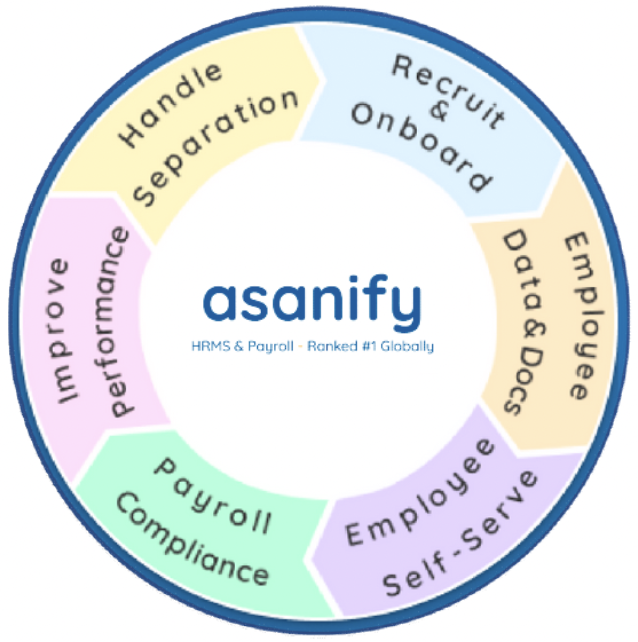
- Hire to Retire HR Process Automation
- EOR Services for your Global Employees
- Pay your Contractors Globally in 200+ Countries
Not to be considered as tax, legal, financial or HR advice. Regulations change over time so please consult a lawyer, accountant or Labour Law expert for specific guidance.