
Calibration in Business

Intro to Calibration in Business
Calibration in business refers to the process of aligning evaluations, ratings, and standards across teams and departments. It ensures consistency in how performance, compensation, and talent decisions are made throughout an organization. HR professionals use calibration sessions to reduce bias and create fairness in employee assessments.
Definition of Calibration in Business
Business calibration is a structured meeting where managers and HR leaders review employee performance ratings, salary recommendations, and promotion decisions collectively. The goal is to ensure similar standards apply across the organization regardless of department or manager. During calibration sessions, participants compare evaluations, discuss rating distributions, and adjust assessments to reflect consistent criteria. This process helps identify rating inflation or deflation patterns. Calibration typically occurs before finalizing performance reviews, compensation adjustments, or talent planning decisions. The practice promotes objectivity by exposing hidden biases and ensuring comparable employees receive comparable treatment.
Importance of Calibration in HR
Calibration addresses one of HR’s biggest challenges: inconsistent evaluation standards. Different managers may interpret performance criteria differently, leading to unfair outcomes. Calibration sessions create a shared understanding of what constitutes excellent, good, or poor performance. This consistency matters for legal compliance, as rating disparities can indicate discrimination. Employees also trust the process more when they see fairness across teams. Calibration improves talent identification by revealing high performers who might be underrated by modest managers. It also uncovers inflated ratings that waste promotion opportunities on underqualified candidates. Organizations practicing regular calibration see better alignment between individual contributions and rewards. The process supports succession planning by providing accurate talent assessments across the business.
Examples of Calibration in Business
Example 1: Annual Performance Review Calibration
A technology company conducts performance reviews each December. Before managers finalize ratings, HR organizes calibration sessions by job level. Managers present their proposed ratings for each employee along with supporting evidence. The group notices one manager rated 80% of their team as “exceptional” while others averaged 20%. Through discussion, they discover this manager uses different criteria. The group agrees on standard benchmarks, and several ratings are adjusted to reflect consistent expectations across departments.
Example 2: Compensation Review Calibration
During annual salary planning, an organization’s HR team facilitates calibration meetings to review proposed raises. They compare percentage increases across departments and notice customer service staff receiving smaller raises than sales teams despite similar performance ratings. The calibration discussion reveals budget allocation issues rather than performance differences. Leaders redistribute the compensation budget to ensure fair treatment based on merit rather than departmental budgets, similar to how organizations approach year to date financial planning.
Example 3: Talent Review Calibration
A retail organization conducts quarterly talent calibration for succession planning. Regional managers discuss employees identified as high-potential candidates. During calibration, they realize potential assessments lack consistency. Some managers focus solely on current performance while others consider learning agility and leadership behaviors. The group develops shared criteria for potential assessment. This alignment ensures promotion-ready talent gets accurately identified regardless of who their manager is, much like how PEO services standardize HR practices across client organizations.
How HRMS Platforms Like Asanify Support Calibration
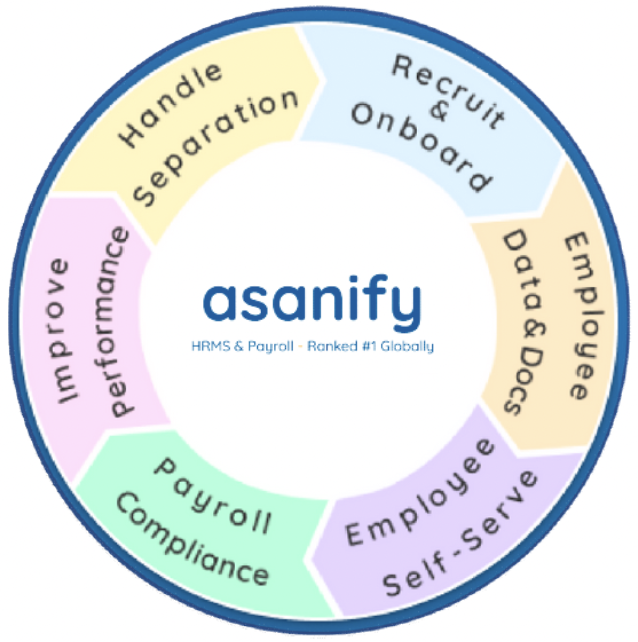
HRMS platforms provide essential infrastructure for effective calibration processes. These systems centralize performance data, making it easy to compare ratings across teams during calibration sessions. Dashboard views display rating distributions, helping identify departments with unusual patterns. Document management features store calibration decisions and rationale for future reference. HRMS platforms also track rating changes made during calibration, creating transparency and accountability. Analytics tools reveal trends over time, showing whether calibration improves consistency year over year. Some systems include calibration workflow features that route assessments through approval chains before finalization. Integration with compensation planning modules ensures calibrated performance ratings flow directly into salary decisions. While HRMS technology doesn’t replace the human judgment needed in calibration discussions, it provides the data foundation that makes those conversations productive and evidence-based.
FAQs about Calibration in Business
How often should organizations conduct calibration sessions?
Most organizations calibrate annually before finalizing performance reviews and compensation decisions. Companies with continuous performance management may calibrate quarterly or semi-annually. The frequency depends on review cycles and organizational size. More frequent calibration helps maintain consistency but requires significant manager time. Balance calibration frequency with other priorities to avoid meeting fatigue while ensuring fair evaluations.
Who should participate in calibration meetings?
Calibration sessions typically include managers at the same level discussing their direct reports. HR business partners facilitate the discussions and ensure process consistency. Senior leaders may participate in calibration for high-level positions or succession planning. The key is including managers who can meaningfully compare employees performing similar roles. Cross-functional calibration works best when participants understand different departments’ contexts.
What is the difference between calibration and moderation?
Calibration aligns ratings across managers before finalization, while moderation reviews ratings after submission to ensure accuracy. Calibration involves collaborative discussion among peers to establish consistent standards. Moderation typically involves HR or senior leaders reviewing and potentially adjusting ratings unilaterally. Calibration is proactive and consensus-driven, whereas moderation is reactive and hierarchical. Most organizations benefit more from calibration’s collaborative approach.
How does calibration reduce bias in performance reviews?
Calibration exposes unconscious biases by comparing how different managers rate similar performance. When managers justify ratings to peers, unsupported assumptions surface and get challenged. The group discussion helps identify patterns like leniency bias, central tendency, or recency effects. Diverse perspectives in calibration sessions catch biases that individual managers might miss. Documentation from calibration also creates accountability that discourages biased rating decisions.
Can calibration work in small organizations with few managers?
Yes, small organizations can still benefit from calibration principles even with limited managers. Small teams might calibrate across departments rather than within them. Alternatively, senior leadership can calibrate with individual managers one-on-one. The key is creating some forum for discussing rating consistency and sharing examples of performance standards. Even informal calibration conversations improve fairness compared to isolated rating decisions. Small companies can also benchmark against industry standards when internal comparisons are limited.
Simplify HR Management & Payroll Globally
Hassle-free HR and Payroll solution for your Employess Globally
Your 1-stop solution for end to end HR Management
- Hire to Retire HR Process Automation
- EOR Services for your Global Employees
- Pay your Contractors Globally in 200+ Countries
Not to be considered as tax, legal, financial or HR advice. Regulations change over time so please consult a lawyer, accountant or Labour Law expert for specific guidance.