
Employee Goals

Intro to Employee Goals
Employee goals are specific, measurable objectives that individuals set to contribute to organizational success while advancing their professional development. These goals create alignment between personal aspirations and company priorities, serving as roadmaps for performance and growth. Well-defined goals provide clarity, motivation, and a framework for evaluating progress throughout the year.
Definition of Employee Goals
Employee goals are clearly defined targets that outline what an individual aims to achieve within a specific timeframe. They typically fall into categories such as performance goals (job-specific outcomes), development goals (skill enhancement), and behavioral goals (workplace conduct improvements). Effective employee goals follow the SMART framework: Specific, Measurable, Achievable, Relevant, and Time-bound. These objectives should align with team targets and broader organizational strategies, creating a cascading effect from company vision to individual action. Goals are usually established during performance planning sessions and reviewed periodically to track progress and make necessary adjustments.
Importance of Employee Goals in HR
Employee goals serve as the foundation for effective performance management and organizational alignment. First, they provide clarity and direction, ensuring employees understand expectations and priorities. Second, goals enhance motivation by giving employees ownership of their work and a clear path to success. Third, they facilitate objective performance evaluations based on measurable outcomes rather than subjective opinions. Fourth, goal-setting conversations strengthen manager-employee relationships through regular dialogue and feedback. Additionally, employee goals support the performance management cycle by establishing benchmarks for assessment and development planning. Organizations with strong goal-setting practices typically experience higher engagement, productivity, and retention rates.
Examples of Employee Goals
Example 1: Sales Representative Performance Goal
A sales representative sets a goal to increase quarterly revenue by 25% through acquiring 15 new clients and upselling existing accounts. This goal includes weekly pipeline reviews, monthly client outreach targets, and completion of advanced sales training. The measurable nature allows tracking progress through CRM metrics.
Example 2: Software Engineer Development Goal
A mid-level developer establishes a goal to transition into a senior role within 12 months. The plan includes completing three advanced certification courses, leading two major projects, mentoring two junior developers, and contributing to open-source projects. These activities align with both personal career growth and team capacity building.
Example 3: HR Manager Strategic Goal
An HR manager sets a goal to reduce employee turnover by 15% over the next year by implementing improved onboarding programs, launching quarterly engagement surveys, and developing retention initiatives for high-performers. This goal directly supports the objectives of Human Resource Management while addressing a critical business challenge.
How HRMS Platforms Like Asanify Support Employee Goals
Modern HRMS platforms provide comprehensive goal management capabilities that streamline the entire goal lifecycle. These systems enable cascading goal frameworks where company objectives flow down to department, team, and individual levels, ensuring organizational alignment. Digital platforms facilitate collaborative goal-setting between managers and employees, with built-in SMART criteria validation. Real-time tracking features allow continuous progress monitoring through status updates, milestone completion, and performance metrics integration. Automated reminders prompt regular check-ins and reviews, preventing the “set and forget” syndrome. Analytics dashboards provide visibility into goal completion rates, identifying high performers and areas needing support. Integration with performance review modules ensures goals inform evaluation discussions and development planning, creating a cohesive talent management experience.
FAQs About Employee Goals
How many goals should an employee have?
Most experts recommend 3-5 primary goals per review period. This number is manageable yet comprehensive, allowing focus without overwhelming employees. Goals should balance short-term deliverables with long-term development objectives.
What is the difference between employee goals and KPIs?
Employee goals are broader objectives that individuals work toward, while KPIs (Key Performance Indicators) are specific metrics used to measure progress toward those goals. KPIs quantify success, whereas goals define desired outcomes.
How often should employee goals be reviewed?
Goals should be reviewed quarterly at minimum, with informal check-ins monthly or bi-weekly. Regular reviews allow for course correction, recognize achievements, and adjust goals based on changing business priorities or circumstances.
Who should set employee goals?
Goal-setting works best as a collaborative process between employees and managers. Employees bring self-awareness and career aspirations, while managers provide organizational context and alignment with team objectives. Joint ownership increases commitment and relevance.
What happens when employees don’t meet their goals?
Unmet goals require analysis of root causes, which may include unrealistic targets, insufficient resources, skill gaps, or external factors. Managers should provide constructive feedback, offer support or training, and adjust future goals accordingly rather than using unmet goals solely for punitive measures.
Simplify HR Management & Payroll Globally
Hassle-free HR and Payroll solution for your Employess Globally
Your 1-stop solution for end to end HR Management
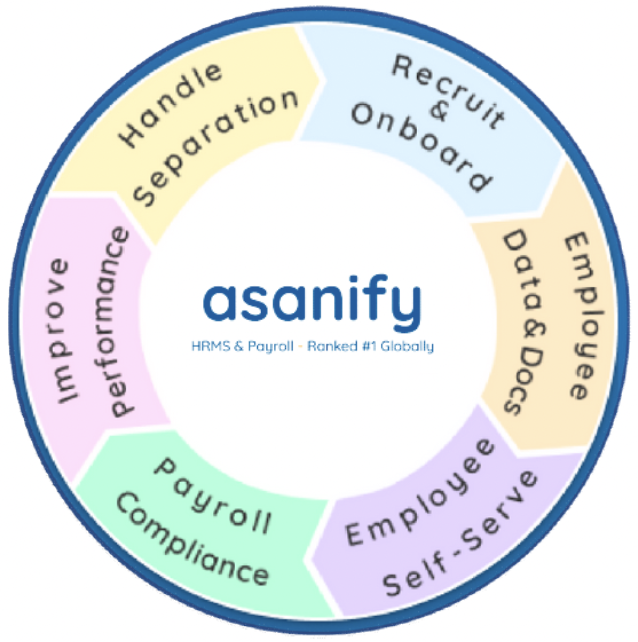
- Hire to Retire HR Process Automation
- EOR Services for your Global Employees
- Pay your Contractors Globally in 200+ Countries
Not to be considered as tax, legal, financial or HR advice. Regulations change over time so please consult a lawyer, accountant or Labour Law expert for specific guidance.