
Formal Communication

Intro to Formal Communication?
Formal communication refers to structured, official exchanges of information within an organization that follow established channels and protocols. This communication style is essential for maintaining professionalism, clarity, and accountability in workplace interactions, ensuring that critical messages reach the right people through appropriate channels.
Definition of Formal Communication
Formal communication is the systematic transmission of information through officially designated channels within an organization’s hierarchy. It includes written documents such as policy manuals, memos, reports, and emails, as well as scheduled meetings, presentations, and official announcements. This communication type adheres to organizational structure, typically flowing vertically (upward or downward) or horizontally across departments. It maintains a professional tone, follows grammatical standards, and often requires documentation for future reference. Unlike informal communication, formal channels are deliberate, traceable, and designed to support decision-making, compliance, and operational efficiency. Organizations rely on formal communication to convey strategic directives, performance feedback, procedural updates, and legal documentation.
Importance of Formal Communication in HR
Formal communication forms the backbone of effective HR operations. It ensures consistent policy implementation, protects organizations legally, and maintains transparency with employees. When HR communicates formally about benefits, performance expectations, or disciplinary actions, it creates clear documentation that can be referenced during disputes or audits. Formal channels also support compliance with employment laws and regulations. For example, relocation policy communications must be documented formally to ensure employees understand their entitlements. Additionally, formal communication builds credibility and trust, as employees perceive official channels as authoritative and reliable. It reduces misunderstandings, aligns teams with organizational goals, and facilitates smooth coordination across departments and geographies.
Examples of Formal Communication
An HR department sends a company-wide email announcing a new remote work policy. The message includes detailed guidelines, effective dates, approval processes, and contact information for questions. This formal communication ensures all employees receive identical information simultaneously, reducing confusion and establishing a clear reference point.
During annual performance reviews, managers provide written evaluations documenting employee achievements, areas for improvement, and development goals. These formal assessments become part of personnel files and guide promotion decisions, salary adjustments, and training investments.
A third example involves onboarding communications. HR sends formal offer letters, employment contracts, and orientation schedules to new hires. These documents outline terms of employment, expectations, and legal obligations, protecting both the organization and the employee while establishing a professional foundation for the working relationship.
How HRMS Platforms Like Asanify Support Formal Communication
HRMS platforms centralize and streamline formal communication processes across organizations. These systems provide secure channels for distributing policy updates, performance reviews, and compliance notifications, ensuring consistent messaging and proper documentation. Automated workflows route approvals through appropriate hierarchies, maintaining formal protocols without manual intervention. Document management features store official communications, making them easily retrievable for audits or reference. Platforms also enable standardized templates for common communications like offer letters or policy acknowledgments, ensuring professional quality and legal compliance. Notification systems alert employees to important messages, tracking read receipts and acknowledgments. By digitizing formal communication, HRMS platforms like Asanify enhance transparency, reduce administrative burden, and create comprehensive audit trails that support governance and accountability.
FAQs About Formal Communication
What are the main types of formal communication in organizations?
The main types include vertical communication (upward and downward between hierarchy levels), horizontal communication (across departments at similar levels), and diagonal communication (across different levels and departments). Each serves specific organizational needs.
How does formal communication differ from informal communication?
Formal communication follows official channels, maintains professional tone, and is documented, while informal communication occurs spontaneously through casual conversations, social interactions, and unofficial networks without structured protocols.
What are common channels for formal communication in HR?
Common channels include email, official letters, company intranet announcements, policy manuals, employee handbooks, scheduled meetings, performance review systems, and digital HR platforms that centralize official communications.
Why is documentation important in formal communication?
Documentation creates legal protection, ensures consistency in policy application, provides reference for future decisions, supports compliance audits, and establishes clear evidence of communications during disputes or investigations.
How can organizations improve formal communication effectiveness?
Organizations can improve effectiveness by using clear, concise language, ensuring timely delivery, choosing appropriate channels, training employees on communication protocols, leveraging technology for distribution, and regularly soliciting feedback to identify communication gaps.
Simplify HR Management & Payroll Globally
Hassle-free HR and Payroll solution for your Employess Globally
Your 1-stop solution for end to end HR Management
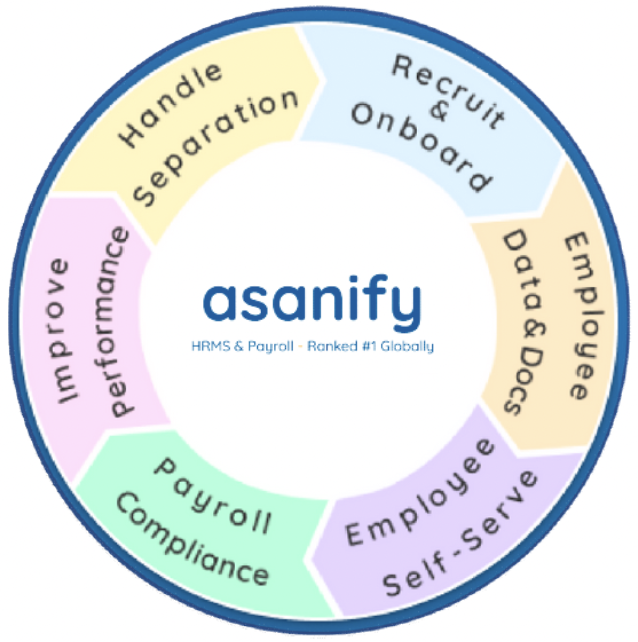
- Hire to Retire HR Process Automation
- EOR Services for your Global Employees
- Pay your Contractors Globally in 200+ Countries
Not to be considered as tax, legal, financial or HR advice. Regulations change over time so please consult a lawyer, accountant or Labour Law expert for specific guidance.