
HR Life Cycle

Intro to HR Life Cycle?
The HR life cycle represents the complete employee journey within an organization, from recruitment to separation. This framework helps HR professionals structure their approach to talent management systematically. Understanding each stage enables organizations to create positive employee experiences and maximize workforce potential.
Definition of HR Life Cycle
The HR life cycle is a strategic framework that maps the entire employee experience through distinct stages. It typically includes recruitment, onboarding, development, retention, and separation. Each phase requires specific HR interventions, processes, and metrics to ensure organizational effectiveness.
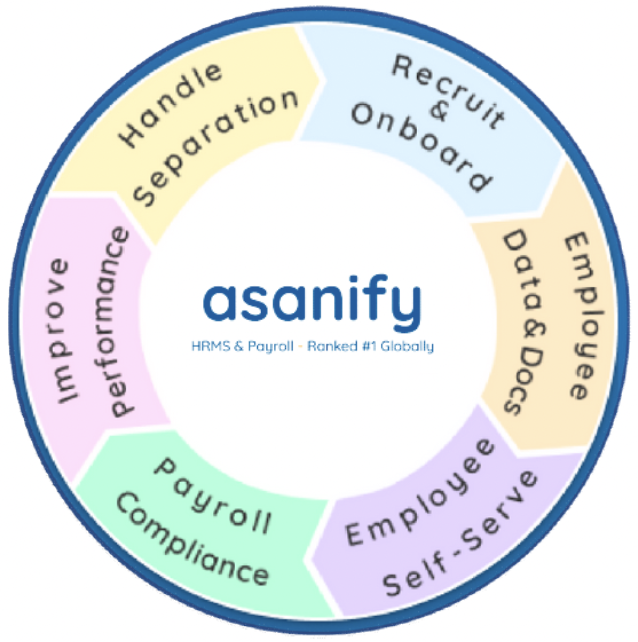
This cyclical model recognizes that employee management is continuous rather than event-based. Recruitment connects to onboarding, which flows into development and performance management. Retention efforts span multiple stages, while separation eventually creates new recruitment needs. The model helps HR teams plan resources, allocate budgets, and measure success across the complete employee journey.
Different organizations may define stages slightly differently, but the core concept remains consistent—managing employees strategically from first contact through final exit.
Importance of HR Life Cycle in HR
The HR life cycle provides structure to complex people management activities. It prevents gaps in employee experience where individuals might feel neglected or unsupported. By viewing talent management holistically, organizations create consistency and continuity throughout employment relationships.
This framework directly impacts business outcomes. Structured onboarding reduces time-to-productivity. Continuous development programs improve skills and innovation. Strong retention strategies lower turnover costs. The performance management cycle ensures employees receive regular feedback and recognition.
Furthermore, the life cycle approach enables better workforce planning. HR teams can forecast needs, prepare succession plans, and allocate training budgets more effectively. It also supports compliance by ensuring consistent application of policies across all employment stages. Organizations that master the HR life cycle enjoy competitive advantages in talent attraction and retention.
Examples of HR Life Cycle
Example 1: Tech Startup Growth Journey
A software company hires a developer through targeted recruitment campaigns (Stage 1). The new hire completes a structured two-week onboarding program introducing company culture, tools, and team members (Stage 2). Over the next year, they participate in quarterly skills training and receive mentorship (Stage 3). The organization implements retention initiatives like flexible work and career development plans (Stage 4). After three years, the developer transitions to a senior role internally, demonstrating successful life cycle management that retains institutional knowledge.
Example 2: Manufacturing Employee Experience
A production facility recruits assembly line workers from local communities (Stage 1). New employees undergo safety training and job shadowing during onboarding (Stage 2). The company provides ongoing skills certifications and cross-training opportunities (Stage 3). Recognition programs and competitive benefits support retention efforts (Stage 4). When employees eventually retire or move on, exit interviews provide insights to improve future recruitment and retention strategies (Stage 5).
Example 3: HR Leadership Transition
Following 30 60 90 day plan for an HR head best practices, a newly appointed HR director experiences the life cycle firsthand. Their recruitment focused on strategic thinking abilities. Onboarding included stakeholder meetings and system access setup. Development involved executive coaching and industry conference attendance. Retention efforts provided autonomy and resources to transform HR operations. This comprehensive approach demonstrates life cycle principles applied to leadership roles.
How HRMS Platforms Like Asanify Support HR Life Cycle
Modern HRMS platforms digitize and streamline every HR life cycle stage. Recruitment modules manage job postings, candidate tracking, and offer letters. Onboarding workflows ensure new hires complete necessary paperwork, training, and system access requests efficiently.
Development and performance management features track goals, facilitate reviews, and document skill progression. Learning management system integrations provide training delivery and certification tracking. These capabilities support continuous employee growth throughout the employment relationship.
Retention analytics identify flight risks through engagement surveys and performance trends. HRMS platforms also facilitate compensation reviews and promotion workflows. When employees separate, offboarding checklists ensure proper asset return and knowledge transfer. The integration of AI in HR enables predictive analytics that optimize each life cycle stage.
Comprehensive reporting across all stages provides insights into life cycle effectiveness. HR teams can identify bottlenecks, measure stage-specific metrics, and continuously improve employee experiences through data-driven decisions.
FAQs About HR Life Cycle
What are the main stages of the HR life cycle?
The typical HR life cycle includes five main stages: recruitment (attracting and hiring talent), onboarding (integrating new employees), development (training and performance management), retention (engagement and satisfaction efforts), and separation (offboarding and exit processes). Some models combine or divide these differently based on organizational needs.
How does the HR life cycle differ from employee life cycle?
These terms are often used interchangeably. HR life cycle emphasizes the organizational processes and systems, while employee life cycle focuses on the individual’s experience and journey. Both describe the same stages from recruitment through separation, just from different perspectives.
Why is the HR life cycle considered cyclical rather than linear?
The cycle is continuous because employee separations create new recruitment needs, completing the loop. Additionally, alumni networks sometimes lead to boomerang employees who return. Organizations continuously manage employees at different life cycle stages simultaneously, making it an ongoing cyclical process rather than a one-time linear progression.
What metrics should organizations track across the HR life cycle?
Key metrics include time-to-hire and cost-per-hire for recruitment, onboarding completion rates and time-to-productivity, training hours and skill development for the development stage, employee engagement scores and turnover rates for retention, and exit interview insights for separation. Tracking these metrics helps optimize each stage.
How can small businesses implement HR life cycle management without dedicated HR teams?
Small businesses can use HRMS platforms to automate routine life cycle tasks like onboarding checklists and performance review scheduling. Creating simple templates for each stage ensures consistency. Outsourcing complex functions like payroll or benefits administration allows focus on core life cycle activities. Starting with basic processes and gradually improving them remains effective.
Simplify HR Management & Payroll Globally
Hassle-free HR and Payroll solution for your Employess Globally
Your 1-stop solution for end to end HR Management
- Hire to Retire HR Process Automation
- EOR Services for your Global Employees
- Pay your Contractors Globally in 200+ Countries
Not to be considered as tax, legal, financial or HR advice. Regulations change over time so please consult a lawyer, accountant or Labour Law expert for specific guidance.