
Importance of CV

Intro to Importance of CV
A Curriculum Vitae (CV) serves as the foundation of every hiring process. It provides employers with a snapshot of a candidate’s qualifications, experience, and potential fit for a role. Understanding the importance of a CV helps HR professionals evaluate talent effectively and guides job seekers in presenting their credentials strategically.
Definition of Importance of CV
The importance of a CV refers to its critical role in recruitment and talent acquisition. A CV is a formal document that outlines an individual’s educational background, work experience, skills, certifications, and achievements. For HR teams, it acts as the first screening tool to assess candidate suitability. For candidates, it represents their professional identity and career narrative. A well-crafted CV can open doors to interviews, while a poorly constructed one may result in missed opportunities. In the context of manpower planning, CVs help organizations identify the right talent to meet strategic workforce needs.
Importance of CV in HR
CVs play a pivotal role in modern recruitment strategies. They enable HR professionals to quickly filter large applicant pools and identify candidates who meet job requirements. A comprehensive CV provides insights into a candidate’s career progression, skill development, and professional achievements. This information supports informed hiring decisions and reduces time-to-hire.
Moreover, CVs facilitate objective evaluation during initial screening stages. They help HR teams assess qualifications against job descriptions and maintain compliance with hiring standards. In competitive talent markets, a strong CV differentiates candidates and helps organizations attract high-quality applicants. Additionally, CVs contribute to building talent pipelines for future workforce needs, aligning with broader objectives of Human Resource Management.
Examples of Importance of CV
Example 1: Technical Recruitment
A software company receives 500 applications for a senior developer position. HR uses CVs to filter candidates based on required programming languages, years of experience, and relevant certifications. Within hours, they shortlist 20 candidates whose CVs demonstrate the technical expertise needed. Without structured CVs, this screening would take weeks.
Example 2: Executive Hiring
An organization seeks a Chief Financial Officer with international experience. The hiring committee reviews CVs to identify candidates with proven track records in financial leadership, regulatory compliance, and strategic planning. The CV helps them assess career trajectory and achievements before scheduling interviews with only the most qualified candidates.
Example 3: Graduate Recruitment
A multinational corporation runs a campus placement drive. Fresh graduates submit CVs highlighting academic achievements, internships, and extracurricular activities. HR teams use these CVs to identify candidates with leadership potential and relevant skills, even without extensive work experience. This enables efficient talent identification for entry-level positions.
How HRMS Platforms Like Asanify Support CV Management
Modern HRMS platforms streamline CV handling throughout the recruitment lifecycle. They offer applicant tracking systems that automatically parse CVs, extract key information, and populate candidate profiles. This automation reduces manual data entry and minimizes errors.
These platforms enable centralized CV storage with advanced search capabilities. HR teams can quickly filter candidates by skills, experience, location, or qualifications. Resume parsing technology identifies keywords and matches them against job requirements, creating ranked candidate lists.
Additionally, HRMS solutions integrate with job boards and career portals, automatically collecting CVs from multiple sources. They maintain audit trails of CV reviews and support collaborative hiring by allowing multiple stakeholders to access and annotate candidate documents. Analytics features help HR teams track which CV formats and content elements correlate with successful hires, informing future recruitment strategies.
FAQs About Importance of CV
What makes a CV important for job seekers?
A CV serves as your professional introduction to potential employers. It showcases your qualifications, experience, and achievements in a structured format. A strong CV increases your chances of getting shortlisted for interviews and positions you as a credible candidate. It demonstrates your communication skills and attention to detail while providing evidence of your career accomplishments.
How do HR professionals use CVs in recruitment?
HR professionals use CVs as the primary screening tool to evaluate candidate qualifications against job requirements. They assess educational background, work experience, relevant skills, and career progression. CVs help HR teams create shortlists, compare candidates objectively, and make informed decisions about who to interview. They also serve as reference documents throughout the hiring process.
What is the difference between a CV and a resume?
A CV is typically longer and more comprehensive, covering your entire career history, publications, and academic achievements. It’s commonly used in academia, research, and international applications. A resume is shorter, usually one to two pages, focusing on relevant experience for a specific job. Resumes are standard in corporate hiring in many countries, while CVs are preferred in others.
How often should candidates update their CV?
Candidates should update their CV immediately after completing significant projects, earning certifications, receiving promotions, or acquiring new skills. Regular updates ensure accuracy and readiness for unexpected opportunities. Even when not actively job hunting, updating your CV quarterly helps track career progress and prevents important accomplishments from being forgotten.
Can technology replace the importance of human CV review?
While applicant tracking systems and AI tools efficiently screen CVs for keywords and qualifications, human review remains essential. Technology handles initial filtering, but HR professionals provide contextual judgment, assess cultural fit, and identify potential beyond what algorithms can detect. The most effective approach combines technological efficiency with human expertise in talent evaluation.
Simplify HR Management & Payroll Globally
Hassle-free HR and Payroll solution for your Employess Globally
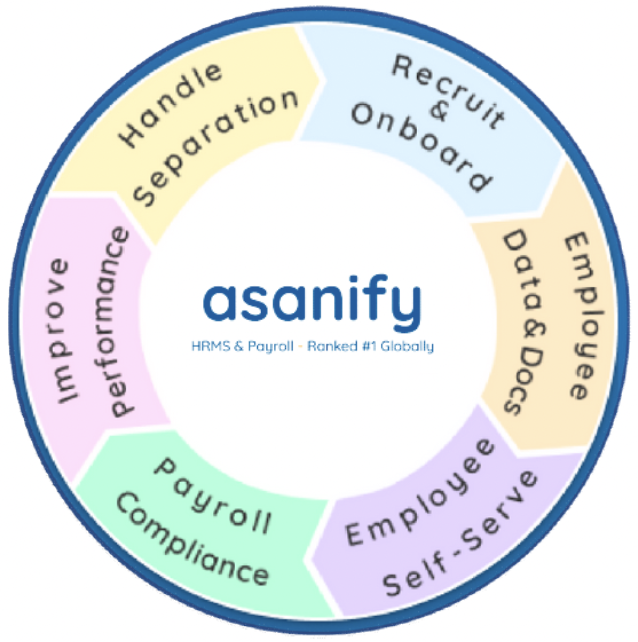
Your 1-stop solution for end to end HR Management
- Hire to Retire HR Process Automation
- EOR Services for your Global Employees
- Pay your Contractors Globally in 200+ Countries
Not to be considered as tax, legal, financial or HR advice. Regulations change over time so please consult a lawyer, accountant or Labour Law expert for specific guidance.