
Internal Communication

Intro to Internal Communication
Internal communication encompasses all information exchanges within an organization. It connects leadership with employees, departments with each other, and teams with shared goals. Effective internal communication builds organizational culture, drives engagement, and ensures everyone works toward common objectives with clarity and purpose.
Definition of Internal Communication
Internal communication refers to the strategic sharing of information, updates, and messages among employees, teams, and leadership within an organization. It includes formal channels like company announcements, policy updates, and performance feedback, as well as informal interactions such as team conversations and social exchanges.
This communication flows in multiple directions: top-down from leadership to employees, bottom-up from staff to management, and horizontally across departments. Successful internal communication creates transparency, aligns organizational goals, and fosters a collaborative work environment. It encompasses various formats including emails, meetings, intranet posts, newsletters, and instant messaging platforms.
Strong internal communication systems ensure employees understand their roles, receive timely information, and feel connected to the organization’s mission. It plays a critical role in change management, crisis response, and daily operational efficiency.
Importance of Internal Communication in HR
Internal communication directly impacts employee engagement and productivity. When staff members receive clear, consistent messages, they make better decisions and align their work with organizational priorities. Poor communication leads to confusion, duplicated efforts, and decreased morale.
For HR departments, internal communication serves as the foundation for successful initiatives. Whether rolling out new policies, conducting performance reviews, or managing organizational changes, effective communication ensures smooth implementation. It helps employees understand benefits programs, compliance requirements, and professional development opportunities.
Internal communication also strengthens company culture and retention rates. Employees who feel informed and heard demonstrate higher job satisfaction and loyalty. Regular communication channels give HR insights into employee concerns, enabling proactive problem-solving. Additionally, transparent communication builds trust between management and staff, creating a positive workplace environment that attracts and retains talent.
Examples of Internal Communication
Quarterly Town Halls: Leadership conducts virtual town hall meetings to share company performance updates, strategic direction, and upcoming initiatives. Employees can submit questions in advance or ask live, creating dialogue between management and staff. These sessions reinforce organizational values and keep everyone aligned on business objectives.
Department Collaboration Tools: A cross-functional project team uses dedicated chat channels and shared workspaces to coordinate efforts. Regular stand-up meetings via video conferencing keep everyone updated on progress and blockers. This structured communication prevents silos and ensures seamless collaboration across different time zones and locations.
HR Policy Announcements: When implementing a new remote work policy, HR sends a detailed email followed by a recorded webinar explaining the changes. Managers receive talking points to discuss with their teams. An FAQ document addresses common questions, and employees can access everything through the company intranet for future reference.
How HRMS Platforms Like Asanify Support Internal Communication
HRMS platforms centralize internal communication by providing unified channels for organizational announcements and updates. These systems enable HR teams to broadcast important messages, policy changes, and event notifications to specific employee groups or the entire workforce simultaneously.
Such platforms include built-in communication tools like announcement boards, employee directories, and messaging features. They facilitate feedback collection through surveys and polls, giving leadership valuable insights into employee sentiment. Integration with attendance management systems ensures communication about schedules, time-off requests, and shift changes reaches relevant parties promptly.
Modern HRMS solutions also maintain communication history and documentation, supporting compliance and consistency. They enable personalized communication workflows, ensuring employees receive role-specific information at appropriate times. Analytics features help HR measure communication effectiveness through engagement metrics, allowing continuous improvement of internal communication strategies.
FAQs About Internal Communication
What are the main types of internal communication?
Internal communication includes top-down communication from leadership to employees, bottom-up communication where staff provide feedback to management, and horizontal communication between peers and departments. It also encompasses formal channels like official announcements and informal exchanges such as casual team conversations. Each type serves distinct purposes in maintaining organizational connectivity.
How can organizations improve internal communication?
Organizations can enhance internal communication by establishing clear channels for different message types, encouraging two-way dialogue, and providing regular updates on company performance and changes. Using multiple communication methods accommodates different preferences and ensures message reach. Leadership should model transparent communication, actively listen to employee feedback, and create safe spaces for open discussion.
What role does technology play in internal communication?
Technology enables real-time communication across distributed teams through instant messaging, video conferencing, and collaboration platforms. Digital tools centralize information, making it easily accessible and searchable. They also facilitate asynchronous communication for global teams across time zones and provide analytics to measure communication effectiveness and engagement levels.
How does internal communication affect employee engagement?
Effective internal communication significantly boosts employee engagement by creating transparency, building trust, and making employees feel valued and informed. When staff members understand organizational goals and their role in achieving them, they demonstrate greater commitment and productivity. Regular communication also reduces uncertainty during changes and helps employees feel connected to the company’s mission.
What are common barriers to effective internal communication?
Common barriers include information overload, inconsistent messaging, lack of communication channels, hierarchical structures that inhibit open dialogue, and cultural or language differences in diverse workforces. Physical distance in remote or hybrid environments can also impede spontaneous communication. Addressing these barriers requires intentional strategy, appropriate tools, and organizational commitment to transparency.
Simplify HR Management & Payroll Globally
Hassle-free HR and Payroll solution for your Employess Globally
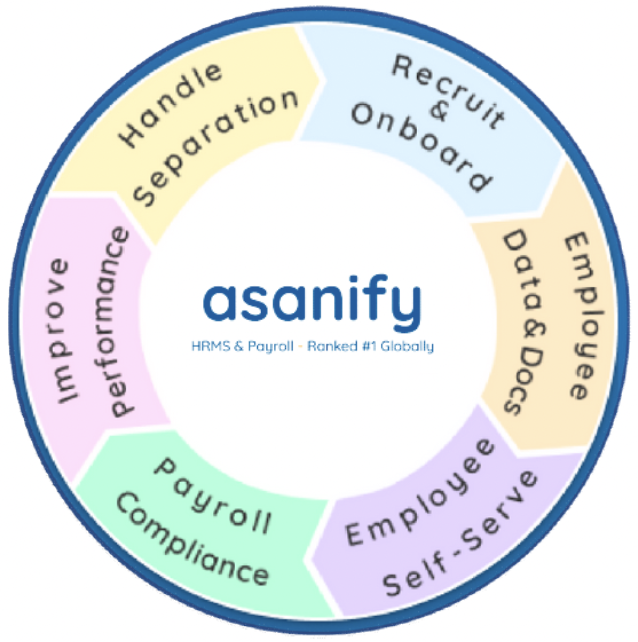
Your 1-stop solution for end to end HR Management
- Hire to Retire HR Process Automation
- EOR Services for your Global Employees
- Pay your Contractors Globally in 200+ Countries
Not to be considered as tax, legal, financial or HR advice. Regulations change over time so please consult a lawyer, accountant or Labour Law expert for specific guidance.