
Loss of Pay

Intro to Loss of Pay?
Loss of Pay (LOP) occurs when employees take leave without sufficient paid leave balance, resulting in salary deductions. This payroll component directly impacts employee compensation and requires careful tracking to ensure accurate wage calculations and compliance.
Definition of Loss of Pay
Loss of Pay refers to salary deductions made when employees are absent from work without available paid leave credits. Also known as Leave Without Pay (LWP) or unpaid leave, LOP reduces gross salary proportionally based on absence days. Organizations calculate LOP by dividing monthly salary by working days, then multiplying by absent days. For example, if an employee with a monthly salary of $3,000 takes two unpaid days off in a 22-day work month, the LOP deduction would be approximately $272. LOP policies vary by organization but must comply with local labor laws regarding minimum wage and deduction limits.
Importance of Loss of Pay in HR
Accurate LOP calculation ensures fair compensation and maintains payroll integrity. When employees exhaust paid leave balances, LOP provides a transparent mechanism for handling additional absences without terminating employment. This flexibility benefits both employers and employees during personal emergencies or extended illnesses. Proper LOP management prevents payroll errors that could lead to compliance issues or employee disputes. Additionally, LOP tracking helps HR identify attendance patterns and potential productivity concerns. Organizations must document LOP policies clearly in employee handbooks to avoid misunderstandings. Transparent communication about leave balances and LOP implications promotes trust and helps employees make informed decisions about time off.
Examples of Loss of Pay
Example 1: Medical Emergency Beyond Leave Balance
An employee exhausts all 12 annual sick days during a serious illness but needs three additional days for recovery. The employer approves LOP for these extra days, deducting the corresponding amount from that month’s salary. This arrangement allows the employee necessary recovery time without jeopardizing their position.
Example 2: Extended Personal Leave
A team member needs to travel abroad for two weeks for family reasons but has only five paid leave days remaining. HR approves the absence with five additional days marked as LOP. The payroll system calculates the deduction based on the salary breakup calculator formula, ensuring accurate compensation for worked days.
Example 3: Unauthorized Absence
An employee fails to report for work for two days without prior approval or valid justification. After investigation, HR marks these as unauthorized absences, applying LOP deductions. This differs from disciplinary action but serves as a financial consequence. Unlike partial pay scenarios where employees receive reduced compensation for specific reasons, LOP specifically addresses absence-related deductions.
How HRMS platforms like Asanify support Loss of Pay
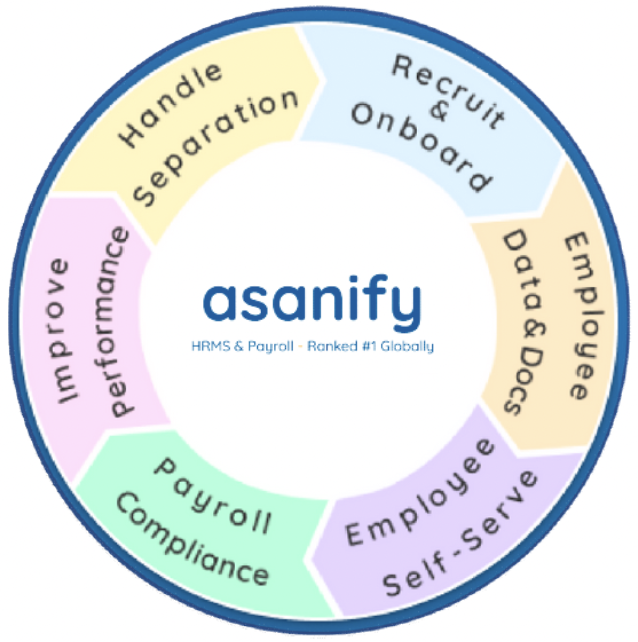
Modern HRMS platforms automate LOP calculation and integrate it seamlessly with payroll processing. These systems track leave balances in real-time, alerting employees when requesting leave that would trigger LOP. Automated workflows ensure consistent calculation methodology across the organization, reducing manual errors. The platform maintains detailed audit trails showing LOP deductions, supporting transparency and compliance. Integration with attendance systems ensures accurate working day counts for precise calculations. Employees can view their leave balances and understand potential LOP impact before submitting requests. Payroll modules automatically apply deductions based on approved LOP days, ensuring salary accuracy. Reporting features help HR analyze LOP trends across departments, identifying potential engagement or workload issues requiring attention.
FAQs about Loss of Pay
How is Loss of Pay calculated in monthly salary?
LOP is calculated by dividing the monthly gross salary by the number of working days in that month, then multiplying by the number of unpaid leave days. Some organizations use calendar days while others use actual working days. The calculation method should be clearly stated in company policy.
Does Loss of Pay affect employee benefits?
Yes, LOP can impact various benefits. Excessive LOP may reduce provident fund contributions calculated on gross salary. It can affect bonus calculations tied to attendance or salary earned. Some organizations also adjust annual leave accrual based on LOP days. However, statutory benefits have minimum protection thresholds.
Can employers force Loss of Pay on employees?
Employers can apply LOP when employees are absent without available paid leave, but this must follow documented policies and local labor laws. Unauthorized absences typically justify LOP deductions. However, employers cannot arbitrarily impose LOP as punishment for other performance issues without following proper disciplinary procedures.
Is Loss of Pay the same as salary deduction for disciplinary reasons?
No, LOP specifically addresses absence without paid leave coverage. Disciplinary deductions or fines for misconduct are separate matters governed by different policies and legal frameworks. LOP is a compensation adjustment for time not worked, while disciplinary actions address conduct or performance issues.
How does Loss of Pay appear on salary slips?
LOP typically appears as a separate deduction line item on salary slips, showing the number of LOP days and the corresponding monetary deduction. Transparent documentation helps employees understand their net pay calculation. Some organizations also show remaining leave balances to provide complete visibility into compensation and benefits.
Simplify HR Management & Payroll Globally
Hassle-free HR and Payroll solution for your Employess Globally
Your 1-stop solution for end to end HR Management
- Hire to Retire HR Process Automation
- EOR Services for your Global Employees
- Pay your Contractors Globally in 200+ Countries
Not to be considered as tax, legal, financial or HR advice. Regulations change over time so please consult a lawyer, accountant or Labour Law expert for specific guidance.