
PF in HR

Intro to PF in HR?
PF in HR stands for Provident Fund, a statutory retirement savings scheme that helps employees build a financial corpus for their post-retirement life. It is a key component of employee benefits and compensation management in human resources.
Definition of PF in HR
Provident Fund (PF) is a government-mandated retirement benefit scheme where both employees and employers contribute a fixed percentage of the basic salary every month. In India, the Employee Provident Fund (EPF) is managed by the Employees’ Provident Fund Organisation (EPFO). The current contribution rate is 12% from both employer and employee sides. This accumulated amount, along with interest, becomes available to employees upon retirement, resignation, or during specific emergencies. The scheme is applicable to organizations with 20 or more employees, though smaller companies can opt in voluntarily. PF contributions are tax-deductible under Section 80C, making it a valuable tax-saving instrument.
Importance of PF in HR
PF plays a critical role in employee welfare and organizational compliance. First, it ensures long-term financial security for employees by creating a disciplined savings mechanism. Second, offering PF demonstrates an employer’s commitment to employee well-being, which enhances talent attraction and retention. Third, statutory compliance with PF regulations protects organizations from legal penalties and reputational damage. Fourth, PF contributions reduce taxable income for employees, adding value to the overall compensation package. Finally, transparent PF management builds trust between employers and employees, fostering a positive workplace culture.
Examples of PF in HR
Example 1: Monthly Salary Calculation
An employee with a basic salary of ₹30,000 has ₹3,600 (12%) deducted as employee PF contribution. The employer contributes an equal amount, though ₹1,250 goes to EPF and the remaining to Employee Pension Scheme (EPS). The total monthly PF credit to the employee’s account is ₹4,850.
Example 2: Job Change Scenario
When an employee switches jobs, HR must facilitate PF transfer through the Universal Account Number (UAN). The employee can either transfer the existing PF balance to the new employer or withdraw it if they remain unemployed for over two months. Proper documentation ensures seamless continuity of retirement benefits.
Example 3: Emergency Withdrawal
An employee facing a medical emergency can make a partial PF withdrawal for treatment expenses. HR departments process these requests by verifying supporting documents and submitting claims to EPFO. This flexibility makes PF more than just a retirement tool—it serves as a financial safety net during crises.
How HRMS platforms like Asanify support PF in HR
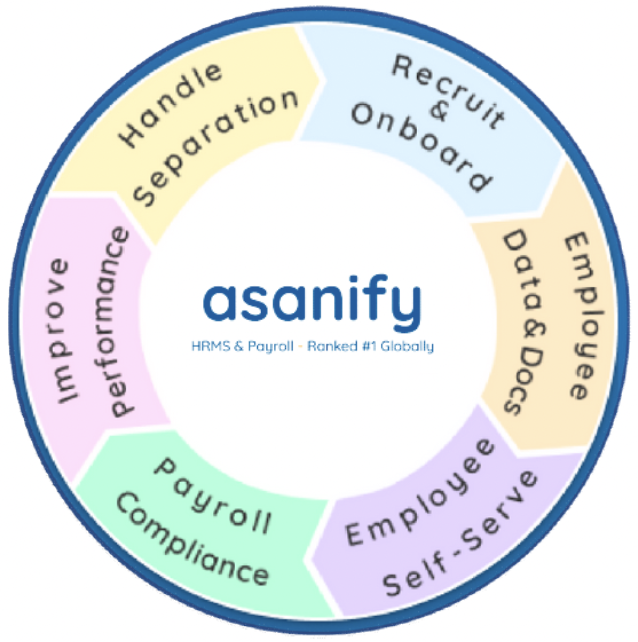
Modern Human Resource Management Systems streamline PF administration significantly. These platforms automate monthly PF calculations based on salary components, ensuring accuracy and compliance. They generate statutory reports and challans required for EPFO submissions, reducing manual errors. Employee self-service portals allow staff to view their PF balances, download statements, and track contributions in real-time. Integration with payroll systems ensures timely deductions and employer contributions. Additionally, HRMS platforms maintain digital records of PF documentation, making audits and compliance checks more efficient. Automated reminders for filing deadlines help HR teams stay compliant with regulatory requirements.
FAQs about PF in HR
What is the current PF contribution rate in India?
The current PF contribution rate is 12% of the basic salary and dearness allowance from both employee and employer. The employer’s contribution is split between EPF (3.67%) and EPS (8.33%), subject to a wage ceiling of ₹15,000.
Is PF mandatory for all organizations?
PF is mandatory for organizations with 20 or more employees. However, smaller companies can voluntarily register under the EPF scheme. Once registered, compliance becomes mandatory for that organization.
Can employees withdraw PF before retirement?
Yes, employees can make partial withdrawals for specific purposes like home purchase, medical emergencies, or education. Full withdrawal is allowed after retirement, resignation with two months of unemployment, or migration abroad. Early withdrawal may have tax implications.
What is the Universal Account Number (UAN)?
UAN is a unique 12-digit number allotted to every EPF member. It remains constant throughout an employee’s career, even when changing jobs. It enables easy PF transfer, online balance checking, and claim settlements without employer involvement.
How is PF interest calculated?
The EPFO declares an annual interest rate, which is credited to member accounts at the end of each financial year. The interest is calculated on the monthly running balance and compounded annually, ensuring steady growth of retirement savings.
Simplify HR Management & Payroll Globally
Hassle-free HR and Payroll solution for your Employess Globally
Your 1-stop solution for end to end HR Management
- Hire to Retire HR Process Automation
- EOR Services for your Global Employees
- Pay your Contractors Globally in 200+ Countries
Not to be considered as tax, legal, financial or HR advice. Regulations change over time so please consult a lawyer, accountant or Labour Law expert for specific guidance.