
Poaching in HRM

Intro to Poaching in HRM
Poaching in HRM refers to the practice of recruiting employees from competitor organizations by offering better compensation, benefits, or career opportunities. This strategic talent acquisition approach targets high-performing professionals who possess valuable skills, industry knowledge, or client relationships that can benefit the hiring organization.
Definition of Poaching in HRM
Employee poaching is the deliberate recruitment of talented professionals currently employed by competing or non-competing organizations. Unlike traditional recruitment, poaching specifically targets individuals who are not actively seeking new employment. Organizations engage in poaching to quickly acquire skilled talent, reduce training costs, and gain competitive advantages. While legal in most jurisdictions when conducted ethically, poaching can strain industry relationships and lead to increased salary inflation. HR professionals must balance aggressive talent acquisition with ethical considerations and long-term employer branding.
Importance of Poaching in HRM
Understanding poaching dynamics is crucial for modern HR strategy. Organizations face constant pressure to maintain competitive workforces while protecting their talent investments. Poaching impacts salary benchmarks, employee retention strategies, and overall talent management approaches. Companies that ignore poaching risks may lose critical employees to competitors, resulting in knowledge drain and operational disruptions. Conversely, strategic poaching enables rapid capability building without lengthy development timelines. HR teams must implement robust retention programs, competitive compensation structures, and employee engagement initiatives to mitigate poaching risks. Organizations leveraging automated HR and payroll systems can better analyze turnover patterns and identify at-risk employees before competitors approach them.
Examples of Poaching in HRM
Technology Sector Talent Wars: A fintech startup identifies a senior software architect at a competitor who developed innovative payment solutions. The startup offers a 40% salary increase, equity options, and leadership opportunities. The architect accepts, bringing valuable technical expertise and industry insights that accelerate the startup’s product development timeline.
Sales Team Acquisition: A pharmaceutical company loses three top-performing sales representatives to a competitor within two months. Investigation reveals the competitor systematically contacted the team, offering higher commissions and better territories. The company responds by restructuring its compensation plan and implementing stronger non-solicitation agreements for future hires.
Executive Headhunting: A retail chain expanding into new markets uses executive search firms to identify and recruit store operations managers from successful competitors. These experienced managers bring proven processes, vendor relationships, and market knowledge that would take years to develop internally, enabling faster market entry.
How HRMS Platforms Like Asanify Support Anti-Poaching Strategies
Modern HRMS platforms provide essential tools for managing poaching risks and retention strategies. These systems track employee satisfaction metrics, performance indicators, and compensation benchmarks that signal potential flight risks. Analytics dashboards identify patterns in resignation data, helping HR teams detect coordinated poaching attempts. Automated alerts notify managers when high-value employees show engagement drops or receive external contacts. Comprehensive benefits administration ensures employees understand their total compensation value, making external offers less attractive. Performance management modules facilitate regular feedback conversations that strengthen employee-manager relationships. Organizations using HRMS solutions across Asia can maintain consistent retention practices across multiple markets while adapting to local competitive pressures.
FAQs About Poaching in HRM
Is employee poaching illegal?
Employee poaching is generally legal in most countries when conducted ethically without breaching contracts or confidentiality agreements. However, organizations must respect non-compete clauses, avoid trade secret theft, and refrain from tortious interference with existing employment relationships. Legal boundaries vary by jurisdiction and industry.
How can companies protect themselves from employee poaching?
Companies can implement comprehensive retention strategies including competitive compensation, career development opportunities, strong workplace culture, and regular employee engagement initiatives. Legal protections like non-solicitation agreements, reasonable non-compete clauses, and confidentiality contracts also provide safeguards. Building strong employer brands reduces vulnerability to poaching attempts.
What are the ethical concerns surrounding poaching?
Ethical concerns include disrupting competitor operations, inflating market salaries unsustainably, and potentially encouraging employees to breach confidentiality obligations. Aggressive poaching can damage industry relationships and create retaliatory cycles. Ethical recruiters focus on mutual benefit rather than purely extractive talent acquisition.
How should HR respond when key employees are being poached?
HR should conduct stay interviews to understand employee motivations, review compensation against market rates, and address any workplace concerns promptly. Proactive retention conversations, customized counter-offers, and career development plans can retain valuable talent. However, organizations should also assess whether retention serves long-term interests versus accepting inevitable departures gracefully.
What industries experience the most employee poaching?
Technology, finance, healthcare, and sales-driven industries experience the highest poaching rates due to skill shortages and high-value talent. Roles with specialized expertise, client relationships, or proprietary knowledge are particularly vulnerable. Emerging sectors often poach from established competitors to quickly build capabilities without extensive training investments.
Simplify HR Management & Payroll Globally
Hassle-free HR and Payroll solution for your Employess Globally
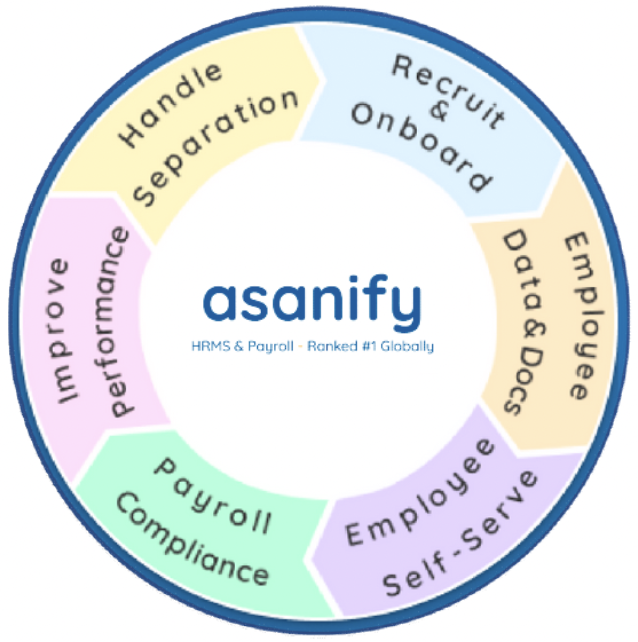
Your 1-stop solution for end to end HR Management
- Hire to Retire HR Process Automation
- EOR Services for your Global Employees
- Pay your Contractors Globally in 200+ Countries
Not to be considered as tax, legal, financial or HR advice. Regulations change over time so please consult a lawyer, accountant or Labour Law expert for specific guidance.