
Recruitment

Intro to Recruitment?
Recruitment is the cornerstone of building a strong workforce. It involves identifying, attracting, and selecting qualified candidates to fill job openings within an organization. This strategic process ensures that businesses acquire the right talent to achieve their goals and maintain competitive advantage in their industry.
Definition of Recruitment
Recruitment is the systematic process of sourcing, screening, and hiring individuals for job positions within an organization. It begins when a vacancy is identified and ends when a candidate accepts an offer. The process typically includes job posting, candidate sourcing, resume screening, interviewing, and final selection. Recruitment can be conducted internally by promoting existing employees or externally by attracting new talent from the job market. Modern recruitment often leverages technology, including applicant tracking systems to streamline workflows and improve candidate experience.
Importance of Recruitment in HR
Effective recruitment directly impacts organizational success and sustainability. Quality hiring reduces turnover costs, improves productivity, and strengthens company culture. When done right, recruitment ensures that teams have the skills and competencies needed to execute business strategies. Poor recruitment, conversely, leads to increased training expenses, decreased morale, and potential operational disruptions. Additionally, a strong recruitment process enhances employer branding, making it easier to attract top talent in competitive markets. As part of broader HR roles and responsibilities, recruitment serves as the foundation for workforce planning and organizational development.
Examples of Recruitment
Example 1: Campus Recruitment Drive
A technology company visits universities to hire fresh graduates for entry-level positions. They conduct pre-placement talks, aptitude tests, and interviews on campus. This targeted approach helps them build a pipeline of young talent with specific technical skills.
Example 2: Executive Search
An organization needs a Chief Financial Officer with specialized experience in mergers and acquisitions. They engage an executive search firm to identify and approach high-level candidates who may not be actively job hunting. This confidential process involves extensive vetting and multiple stakeholder interviews.
Example 3: Internal Job Posting
A retail chain announces a store manager opening to existing employees before advertising externally. This internal recruitment approach boosts morale, rewards loyalty, and reduces onboarding time since the candidate already understands company culture and processes.
How HRMS Platforms Like Asanify Support Recruitment
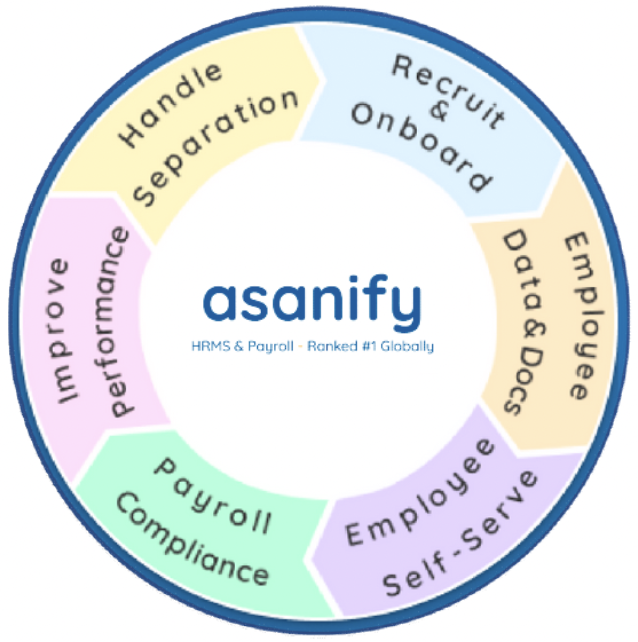
Modern HRMS platforms streamline recruitment by centralizing all hiring activities in one system. These platforms automate job posting across multiple channels, reducing manual effort and expanding reach. Applicant tracking features help HR teams organize resumes, track candidate progress through hiring stages, and collaborate on evaluation. Integrated communication tools enable seamless scheduling of interviews and sending of updates to candidates. Analytics dashboards provide insights into key metrics such as time-to-hire, source effectiveness, and cost-per-hire. By digitizing workflows, HRMS solutions eliminate paperwork, reduce bias through standardized processes, and improve overall candidate experience. When crafting a recruiter job description, organizations increasingly require familiarity with such platforms as an essential skill.
FAQs About Recruitment
What is the difference between recruitment and selection?
Recruitment is the broader process of attracting and sourcing candidates, while selection is the specific stage of evaluating and choosing the best candidate from the applicant pool. Recruitment creates the pool; selection narrows it down to the final hire.
How long does the typical recruitment process take?
The recruitment timeline varies by industry, role complexity, and organizational efficiency. Entry-level positions may take two to four weeks, while specialized or executive roles can extend to several months. Using technology can significantly reduce this timeframe.
What are the most effective recruitment channels?
Effective channels depend on the target audience and role type. Common channels include job boards, social media platforms, employee referrals, recruitment agencies, and company career pages. Many organizations use a multi-channel approach for maximum reach.
What is the role of employer branding in recruitment?
Employer branding shapes how potential candidates perceive your organization. A strong employer brand attracts quality applicants, reduces recruitment costs, and decreases time-to-hire. It communicates company culture, values, and employee value proposition to the job market.
How can organizations reduce recruitment bias?
Organizations can minimize bias by using structured interviews, blind resume screening, diverse hiring panels, and standardized evaluation criteria. Technology solutions that anonymize candidate information during initial screening stages also help ensure fair and objective assessment.
Simplify HR Management & Payroll Globally
Hassle-free HR and Payroll solution for your Employess Globally
Your 1-stop solution for end to end HR Management
- Hire to Retire HR Process Automation
- EOR Services for your Global Employees
- Pay your Contractors Globally in 200+ Countries
Not to be considered as tax, legal, financial or HR advice. Regulations change over time so please consult a lawyer, accountant or Labour Law expert for specific guidance.