
Redundancies

Intro to Redundancies
Redundancies occur when employers reduce their workforce because certain roles are no longer needed. This restructuring process affects both employees and organizational operations. Understanding redundancies helps HR professionals navigate workforce changes while maintaining compliance and treating employees fairly.
Definition of Redundancies
Redundancies refer to the termination of employment when a job position ceases to exist due to business needs. This differs from termination for performance or misconduct. Common reasons include technological changes, business closure, reduced demand, or organizational restructuring. Employers must follow legal procedures that vary by jurisdiction, including proper notice periods, consultation requirements, and severance payments. Unlike unfair dismissal, genuine redundancies are legitimate grounds for ending employment when handled correctly.
Importance of Redundancies in HR
Managing redundancies properly protects organizations from legal risks and maintains employer brand reputation. Poor handling can lead to lawsuits, damaged morale among remaining staff, and negative publicity. Conversely, transparent communication and fair treatment during redundancies demonstrate organizational integrity. HR teams must balance business needs with employee welfare, ensuring compliance with employment laws. This process also impacts workforce planning and employee attrition strategies. Proper redundancy management preserves relationships and may enable rehiring when conditions improve.
Examples of Redundancies
A manufacturing company automates its production line, eliminating ten assembly positions. The affected workers receive redundancy packages including notice pay, severance based on tenure, and outplacement support. HR conducts individual consultations and explores redeployment options before finalizing decisions.
A retail chain closes three underperforming stores, making fifty positions redundant. The company offers transfers to nearby locations for willing employees. Those who cannot relocate receive statutory redundancy pay calculated on length of service. HR documents the selection process to demonstrate fairness and objectivity.
A software startup pivots its business model, eliminating its entire marketing department of eight people. Management provides advance notice, explains business rationale transparently, and offers enhanced severance packages. The company maintains professional references and agrees to rehire if circumstances change.
How HRMS Platforms Like Asanify Support Redundancies
Modern HRMS platforms streamline redundancy management through centralized documentation and compliance tracking. These systems maintain accurate employment records, including tenure, performance history, and contractual terms needed for fair selection processes. Automated calculations ensure correct notice periods and severance payments based on local regulations.
Platforms also facilitate communication workflows, enabling HR to schedule consultations, document discussions, and track acknowledgments. Reporting features help identify at-risk positions and analyze workforce costs during restructuring planning. Integration with payroll ensures smooth processing of final payments and benefits. Additionally, HRMS solutions provide audit trails demonstrating compliance with legal requirements, protecting organizations from potential disputes.
FAQs About Redundancies
What is the difference between redundancy and layoff?
Redundancy means the job itself no longer exists due to business reasons. Layoffs may be temporary workforce reductions with potential recall. Both involve job loss, but redundancy typically offers statutory payments and implies permanent elimination of the role.
How is redundancy pay calculated?
Calculation varies by jurisdiction but typically considers length of service, age, and weekly pay. Many countries mandate minimum statutory redundancy pay, while some employers offer enhanced packages. HR must verify local regulations and employment contracts to determine accurate amounts.
What is a fair selection process for redundancies?
Fair selection uses objective criteria such as skills, qualifications, performance records, and disciplinary history. Employers must avoid discrimination based on protected characteristics. Documentation of selection methodology and individual assessments is essential to demonstrate fairness and legal compliance.
Are employers required to offer alternative positions during redundancies?
Legal requirements vary, but many jurisdictions expect employers to consider redeployment before confirming redundancies. HR should identify suitable alternative roles and offer them to affected employees. Refusing reasonable alternatives may impact redundancy pay entitlements in some regions.
How much notice must employers give for redundancies?
Notice periods depend on employment contracts, length of service, and local labor laws. Statutory minimums often range from one week to several months. Collective redundancies involving multiple employees may require additional consultation periods and government notifications before terminations take effect.
Simplify HR Management & Payroll Globally
Hassle-free HR and Payroll solution for your Employess Globally
Your 1-stop solution for end to end HR Management
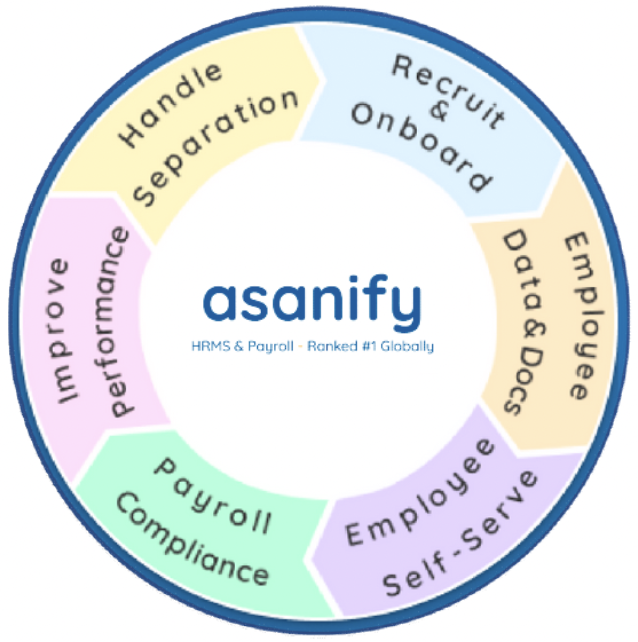
- Hire to Retire HR Process Automation
- EOR Services for your Global Employees
- Pay your Contractors Globally in 200+ Countries
Not to be considered as tax, legal, financial or HR advice. Regulations change over time so please consult a lawyer, accountant or Labour Law expert for specific guidance.