
Remuneration in HRM

Intro to Remuneration in HRM?
Remuneration in HRM refers to the total compensation an employee receives in exchange for their work. It encompasses salary, benefits, bonuses, and other financial rewards that organizations use to attract, motivate, and retain talent.
Definition of Remuneration in HRM
Remuneration is the complete package of financial and non-financial rewards provided to employees for their services. It includes direct components like base salary, overtime pay, commissions, and bonuses, as well as indirect benefits such as health insurance, retirement contributions, paid leave, and stock options. Unlike salary, which is fixed, remuneration covers all forms of compensation. The structure varies based on job role, industry standards, organizational policies, and geographic location. Effective remuneration strategies align with Human Resource Management objectives by balancing employee satisfaction with organizational budget constraints. It serves as a critical tool for workforce planning and talent management.
Importance of Remuneration in HRM
Remuneration directly impacts employee motivation and organizational performance. Competitive remuneration packages help attract high-quality candidates in tight labor markets. Fair compensation reduces turnover rates, saving recruitment and training costs. Well-structured remuneration aligns employee efforts with business goals through performance-based incentives. It also ensures legal compliance with minimum wage laws, equal pay regulations, and statutory benefit requirements. Additionally, transparent remuneration practices build trust and improve employee engagement. Organizations that invest in comprehensive remuneration strategies enjoy better productivity, lower absenteeism, and stronger employer branding.
Examples of Remuneration in HRM
Example 1: Sales Executive Compensation
A sales executive receives a base salary of $40,000 annually, plus 5% commission on all closed deals. Additional benefits include health insurance, quarterly performance bonuses, and a company car allowance. This variable remuneration structure motivates higher sales performance while providing financial security through the fixed component.
Example 2: IT Professional Package
An IT professional’s remuneration includes a monthly salary, stock options vesting over four years, annual performance bonuses, remote work allowances, and professional development budgets. The organization also covers certification costs and provides flexible benefits allowing employees to choose between additional leave or wellness credits.
Example 3: Manufacturing Worker Benefits
A manufacturing worker earns an hourly wage with overtime pay at 1.5 times the regular rate. The employer provides statutory benefits like provident fund contributions, gratuity, and medical insurance. Additional perks include transportation allowances, meal vouchers, and annual bonuses based on company profitability.
How HRMS platforms like Asanify support Remuneration in HRM
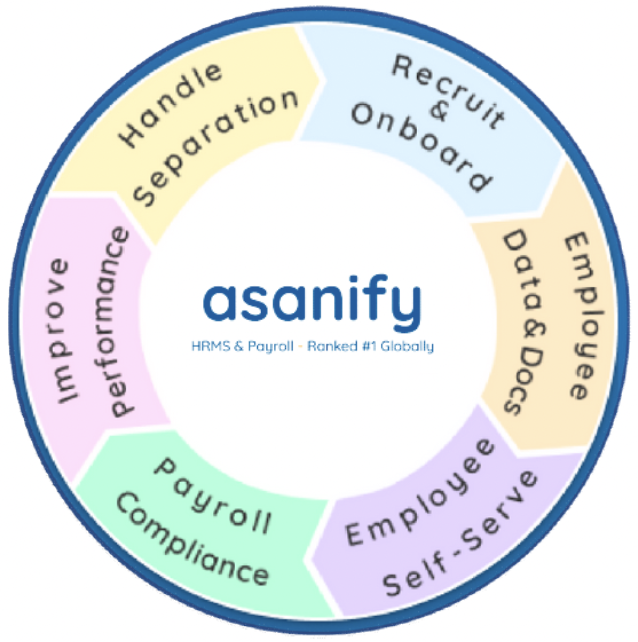
Modern HRMS platforms simplify remuneration management through automation and analytics. These systems maintain centralized databases of salary structures, benefit plans, and compensation policies. They automate complex calculations for variable pay, bonuses, and statutory deductions, ensuring accuracy and compliance. Real-time dashboards help HR teams analyze compensation data, identify pay gaps, and benchmark against industry standards. Employee portals provide transparent access to pay slips, benefit statements, and tax documents. Integration with payroll modules ensures timely salary disbursement while maintaining detailed audit trails. Additionally, HRMS platforms support multi-country remuneration management, accommodating different currencies, tax regulations, and benefit schemes across global operations.
FAQs about Remuneration in HRM
What is the difference between remuneration and salary?
Salary refers specifically to the fixed monetary payment an employee receives, typically expressed as an annual or monthly amount. Remuneration is broader and includes salary plus all other benefits like bonuses, insurance, retirement contributions, and perks.
What are the main components of remuneration?
Remuneration comprises direct compensation (base salary, overtime, commissions, bonuses) and indirect compensation (health insurance, retirement plans, paid time off, stock options, allowances). Some packages also include non-monetary benefits like flexible work arrangements and professional development opportunities.
How do organizations determine remuneration levels?
Organizations consider multiple factors including job complexity, required skills, industry benchmarks, geographic location, company size, budget constraints, and legal requirements. Salary surveys, market research, and internal equity analysis help establish competitive remuneration structures.
What is performance-based remuneration?
Performance-based remuneration ties a portion of compensation to individual, team, or organizational performance metrics. This may include sales commissions, profit-sharing, merit bonuses, or stock options. It motivates employees to achieve specific goals while aligning their interests with business objectives.
Are employers legally required to provide certain remuneration benefits?
Yes, most jurisdictions mandate minimum wage standards, overtime pay, provident fund contributions, and other statutory benefits. Requirements vary by country and region. Employers must comply with local labor laws regarding remuneration to avoid penalties and legal disputes.
Simplify HR Management & Payroll Globally
Hassle-free HR and Payroll solution for your Employess Globally
Your 1-stop solution for end to end HR Management
- Hire to Retire HR Process Automation
- EOR Services for your Global Employees
- Pay your Contractors Globally in 200+ Countries
Not to be considered as tax, legal, financial or HR advice. Regulations change over time so please consult a lawyer, accountant or Labour Law expert for specific guidance.