
Repatriation

Intro to Repatriation?
Repatriation is the process of returning employees to their home country after completing an international assignment. This transition involves logistical, financial, and emotional adjustments for both employees and employers. Effective repatriation planning ensures smooth transitions and retains valuable international experience within organizations.
Definition of Repatriation
Repatriation refers to the structured return of expatriate employees to their home country following overseas assignments. This process encompasses relocation logistics, compensation adjustments, role placement, and cultural readjustment support. Unlike simple relocation, repatriation addresses unique challenges including reverse culture shock, career progression concerns, and family reintegration. Organizations must manage financial aspects such as housing transitions, tax implications, and benefit changes. Successful repatriation programs align with broader relocation policy frameworks while addressing the specific needs of returning expatriates.
Importance of Repatriation in HR
Proper repatriation management directly impacts employee retention and knowledge preservation. Studies show many repatriates leave organizations within two years of returning due to poor transition support. This attrition wastes international assignment investments and loses valuable cross-cultural expertise. Effective repatriation demonstrates organizational commitment and encourages others to accept international roles. It also ensures returning employees apply their global experience productively, benefiting the entire organization. Poor repatriation handling damages employer brand and discourages future mobility. HR teams must prioritize this process to maximize international assignment ROI and maintain competitive advantage in global talent markets.
Examples of Repatriation
A technology company brings back a software engineer after three years in Singapore. HR coordinates household goods shipment, arranges temporary housing, and adjusts compensation to reflect home country cost of living. The employee receives counseling on reverse culture shock and a new role leveraging their Asia-Pacific market knowledge.
A manufacturing firm repatriates a plant manager from Germany to the United States. The repatriation package includes career planning sessions, spousal job search assistance, and children’s school enrollment support. HR ensures the manager’s new position offers comparable responsibility and growth potential to prevent frustration and resignation.
An international NGO returns a project director from Kenya after a two-year assignment. The organization provides cultural reintegration workshops, updates the employee on organizational changes, and creates opportunities to share field experiences with colleagues. Financial support covers shipping costs and temporary accommodation during the transition period.
How HRMS Platforms Like Asanify Support Repatriation
HRMS platforms centralize repatriation workflows, tracking timelines, documentation, and compliance requirements across jurisdictions. These systems manage compensation transitions, including salary adjustments, benefit changes, and tax equalization calculations. Automated reminders ensure HR completes critical tasks like housing arrangements, visa cancellations, and final expense settlements.
Platforms also maintain assignment history and performance data, facilitating appropriate role placement upon return. Integration with payroll systems ensures smooth processing of location-based pay changes and reimbursements. Reporting capabilities help HR analyze repatriation success rates, identify improvement areas, and demonstrate program value. Document storage features preserve important records such as assignment agreements, compensation calculations, and relocation receipts for audit and compliance purposes.
FAQs About Repatriation
What is reverse culture shock in repatriation?
Reverse culture shock occurs when returning employees struggle to readjust to their home country after extended international assignments. They may feel disconnected from local culture, miss aspects of host country life, or find home environments changed. HR should provide counseling and gradual reintegration support to address these challenges.
How long does the repatriation process typically take?
The administrative process usually takes three to six months, covering logistics, documentation, and role placement. However, complete cultural and professional readjustment may require one to two years. Organizations should provide ongoing support beyond initial return to ensure successful long-term reintegration.
Who pays for repatriation costs?
Employers typically cover repatriation expenses as part of international assignment packages. This includes shipping household goods, travel costs, temporary accommodation, and relocation allowances. Specific coverage depends on assignment terms, company policy, and negotiated agreements established before the original posting.
What role should repatriates receive upon return?
Returning employees should receive positions matching or exceeding their pre-assignment level, utilizing skills gained abroad. Lateral moves or demotions cause dissatisfaction and turnover. HR should plan return roles during assignment, discussing career progression and ensuring meaningful opportunities that value international experience.
How can organizations improve repatriation success rates?
Success requires advance planning, clear communication, and ongoing support. Best practices include maintaining home country connections during assignment, career planning discussions before return, mentorship programs, and platforms for sharing international insights. Regular check-ins during the first year back help identify and address adjustment challenges promptly.
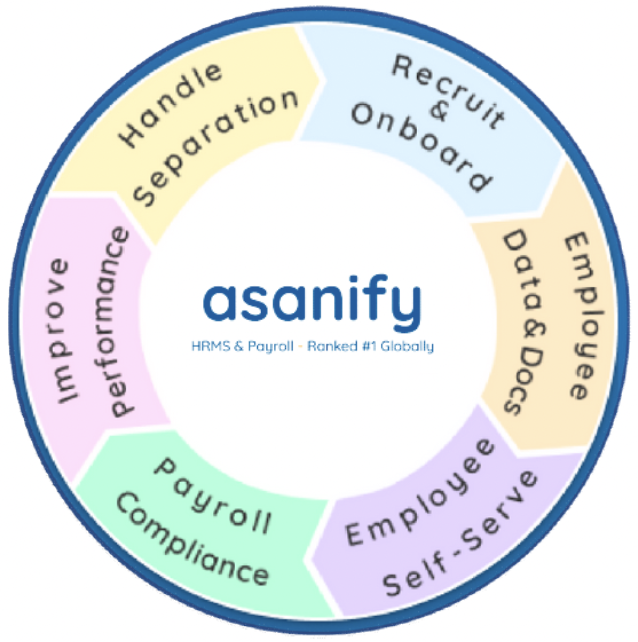
Simplify HR Management & Payroll Globally
Hassle-free HR and Payroll solution for your Employess Globally
Your 1-stop solution for end to end HR Management
- Hire to Retire HR Process Automation
- EOR Services for your Global Employees
- Pay your Contractors Globally in 200+ Countries
Not to be considered as tax, legal, financial or HR advice. Regulations change over time so please consult a lawyer, accountant or Labour Law expert for specific guidance.