
Retaliation

Intro to Retaliation?
Retaliation occurs when an employer punishes an employee for engaging in legally protected activities. These activities include filing complaints, reporting workplace violations, or participating in investigations. Understanding retaliation helps organizations maintain ethical workplaces and avoid legal consequences.
Definition of Retaliation
Retaliation is adverse action taken by an employer against an employee who has exercised their legal rights. Protected activities include reporting discrimination, harassment, safety violations, wage disputes, or participating in workplace investigations. Retaliatory actions can include termination, demotion, salary reduction, schedule changes, or creating a hostile work environment. Most employment laws worldwide prohibit retaliation, making it a serious legal concern for HR professionals.
Importance of Retaliation in HR
Preventing retaliation protects both employees and organizations. First, it ensures workers feel safe reporting misconduct without fear of punishment. This openness helps companies identify and address problems early. Second, retaliation claims often result in costly litigation and damage to employer reputation. Third, anti-retaliation policies promote trust and transparency in workplace culture. HR teams must establish clear policies and train managers to recognize potential retaliation scenarios. Documentation becomes critical when employees raise concerns, as this creates accountability and demonstrates good faith efforts to address issues properly.
Examples of Retaliation
Consider these realistic workplace scenarios:
Example 1: An employee reports sexual harassment to HR. Two weeks later, management reassigns her to a less desirable shift and excludes her from team meetings. Despite claiming the changes are performance-related, the timing and lack of prior performance issues suggest retaliation.
Example 2: A worker files a complaint about unpaid overtime wages. Shortly after, his supervisor begins documenting minor infractions that were previously ignored and places him on a performance improvement plan. This sudden scrutiny following a protected complaint constitutes potential retaliation.
Example 3: An employee participates as a witness in a discrimination investigation. Subsequently, she receives a negative performance review despite consistently positive evaluations before testifying. The connection between her testimony and the negative review raises retaliation concerns. Organizations should review cases like unfair dismissal to understand related legal protections.
How HRMS platforms like Asanify support Retaliation Prevention
Modern HRMS platforms help prevent and document retaliation claims effectively. They provide secure channels for employees to submit complaints with timestamped records. Case management features track complaint investigations from initial report through resolution. Performance management modules document regular feedback cycles, establishing baseline performance patterns before complaints arise. Additionally, attendance management systems track schedule changes, helping identify suspicious pattern shifts following protected activities. These platforms generate audit trails that demonstrate consistent policy application across all employees. Alert systems can flag unusual employment actions following complaint filings, prompting HR review before implementation. This documentation protects both employees exercising their rights and employers demonstrating fair treatment practices.
FAQs about Retaliation
What is the difference between retaliation and legitimate disciplinary action?
Legitimate disciplinary action addresses genuine performance or conduct issues with documented evidence and follows established procedures. Retaliation occurs when adverse action follows protected activity, lacks proper documentation, or deviates from standard practices. Timing, consistency with past treatment, and presence of legitimate business reasons distinguish the two.
How quickly can retaliation claims arise after a complaint?
Retaliation can occur immediately or months after protected activity. Courts typically examine the proximity between the protected activity and adverse action. Closer timing strengthens retaliation claims, but delayed retaliation remains actionable if a causal connection exists between the complaint and the punishment.
Can retaliation include subtle actions beyond termination?
Yes, retaliation encompasses many adverse actions beyond firing. These include demotions, pay cuts, undesirable reassignments, exclusion from meetings, increased scrutiny, negative performance reviews, reduced hours, or creating hostile work environments. Any action that would dissuade reasonable employees from exercising their rights may constitute retaliation.
Who is protected from retaliation in the workplace?
Protection extends to employees who report violations, file complaints, participate in investigations, or oppose discriminatory practices. This includes witnesses, not just complainants. Protection also covers individuals who reasonably believed they were reporting violations, even if investigations find no wrongdoing occurred.
What should HR do when an employee claims retaliation?
HR should immediately investigate the claim independently and thoroughly. Review documentation surrounding both the protected activity and the alleged retaliatory action. Interview relevant parties and examine whether similar situations were handled differently. Suspend any pending adverse actions until investigation completion. Take corrective measures if retaliation is found and document all steps taken throughout the process.
Simplify HR Management & Payroll Globally
Hassle-free HR and Payroll solution for your Employess Globally
Your 1-stop solution for end to end HR Management
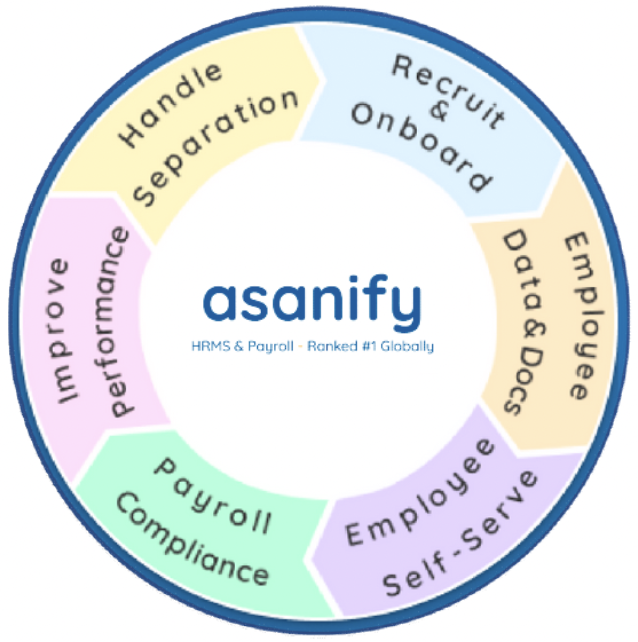
- Hire to Retire HR Process Automation
- EOR Services for your Global Employees
- Pay your Contractors Globally in 200+ Countries
Not to be considered as tax, legal, financial or HR advice. Regulations change over time so please consult a lawyer, accountant or Labour Law expert for specific guidance.