
Team Building

Intro to Team Building?
Team building refers to activities and initiatives designed to strengthen relationships among employees and improve collaboration. It transforms individual contributors into cohesive units that work toward shared goals. Organizations invest in team building to boost morale, enhance communication, and create a positive workplace culture that drives productivity.
Definition of Team Building
Team building is the deliberate process of creating and nurturing strong interpersonal connections within work groups through structured activities, exercises, and interactions. It encompasses both formal programs—like workshops, retreats, and training sessions—and informal initiatives such as social gatherings or collaborative projects. The primary objective is to build trust, improve communication channels, and align team members around common objectives. Effective team building addresses conflict resolution, clarifies roles, and encourages mutual respect. Organizations implement these strategies to break down silos, especially important in hybrid work environments where remote and in-office employees need intentional connection opportunities.
Importance of Team Building in HR
Team building directly impacts organizational performance and employee satisfaction. Strong teams communicate more effectively, solve problems faster, and adapt to change with greater resilience. When employees feel connected to their colleagues, engagement levels rise and turnover rates decrease. HR professionals recognize that team building reduces workplace conflicts by establishing clear communication norms and mutual understanding. Moreover, it accelerates integration for new hires and facilitates knowledge transfer across departments. In distributed workforces, team building becomes even more critical. Companies that hire remote teams must be intentional about creating connection opportunities. Team building also uncovers hidden leadership potential and strengthens company culture by reinforcing organizational values through shared experiences.
Examples of Team Building
A technology company organizes quarterly innovation challenges where cross-functional teams collaborate to solve real business problems. Teams present their solutions to leadership, fostering creativity while building relationships across departments. The competitive element motivates participation, while the collaborative nature strengthens interpersonal bonds.
A marketing agency implements “virtual coffee chats” for their distributed workforce. The HR system randomly pairs employees bi-weekly for 30-minute video conversations. These informal interactions help remote workers build personal connections beyond project-based communication, reducing isolation and improving team cohesion.
A manufacturing firm conducts annual team-building retreats combining professional development with recreational activities. Morning sessions focus on communication workshops and problem-solving exercises, while afternoons include group challenges like escape rooms or outdoor adventures. These experiences create shared memories and improve trust among team members who collaborate daily on production floors.
How HRMS platforms like Asanify support Team Building
Modern HRMS platforms facilitate team building by providing tools that connect employees and track engagement initiatives. Digital platforms enable HR teams to organize virtual events, send automated invitations, and manage participation tracking. Employee directories with rich profiles help team members learn about colleagues’ interests and backgrounds, creating natural conversation starters. Collaboration features within HRMS systems encourage cross-departmental projects and knowledge sharing. Analytics capabilities measure engagement levels and identify teams that might benefit from additional team-building interventions. Recognition modules allow peers to celebrate achievements publicly, reinforcing positive team dynamics. For organizations managing remote or global teams, HRMS platforms centralize communication and ensure everyone can participate regardless of location. Integration with calendar systems simplifies scheduling team activities across time zones.
FAQs about Team Building
What is the primary purpose of team building?
The primary purpose is to strengthen relationships among team members, improve communication, and enhance collaboration. Team building creates trust and psychological safety, enabling employees to work together more effectively toward shared organizational goals.
How often should organizations conduct team building activities?
Frequency depends on team size, dynamics, and organizational needs. Most companies benefit from quarterly structured activities supplemented by informal monthly interactions. New or struggling teams may require more frequent interventions, while high-performing teams maintain cohesion with less frequent formal activities.
What makes team building effective in remote work environments?
Effective remote team building requires intentional design and technology support. Activities should be inclusive, time-zone considerate, and leverage video platforms for face-to-face interaction. Regular virtual social events, online collaboration tools, and asynchronous engagement opportunities help distributed teams maintain strong connections.
Can team building address workplace conflicts?
Yes, team building can prevent and resolve conflicts by improving communication skills and mutual understanding. Activities that emphasize active listening, perspective-taking, and collaborative problem-solving help team members navigate disagreements constructively. However, serious conflicts may require dedicated mediation or HR intervention.
How do you measure team building success?
Success metrics include improved employee engagement scores, reduced turnover rates, enhanced collaboration frequency, and faster project completion times. Employee surveys measuring trust, communication quality, and team satisfaction provide qualitative insights. Observing behavioral changes like increased cross-functional collaboration also indicates effective team building.
Simplify HR Management & Payroll Globally
Hassle-free HR and Payroll solution for your Employess Globally
Your 1-stop solution for end to end HR Management
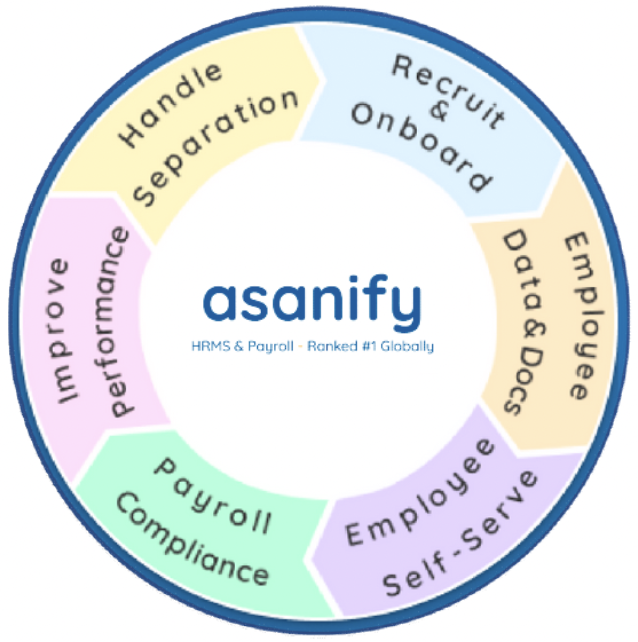
- Hire to Retire HR Process Automation
- EOR Services for your Global Employees
- Pay your Contractors Globally in 200+ Countries
Not to be considered as tax, legal, financial or HR advice. Regulations change over time so please consult a lawyer, accountant or Labour Law expert for specific guidance.