
Tenaga Kerja

Intro to Tenaga Kerja
Tenaga kerja is an Indonesian term that translates to “workforce” or “labor force” in English. It represents the collective human resources available for employment within an organization, industry, or economy. Understanding tenaga kerja is essential for HR professionals operating in Indonesia and Southeast Asian markets, where proper workforce management directly impacts business success and compliance.
Definition of Tenaga Kerja
Tenaga kerja refers to the total pool of individuals who are employed or available for employment within a specific context. In Indonesian labor law, tenaga kerja encompasses all working-age individuals who contribute their physical or mental abilities to produce goods or services. The term is frequently used in government regulations, employment contracts, and HR documentation across Indonesia. It includes full-time employees, part-time workers, contract staff, and temporary labor. Organizations must classify and manage their tenaga kerja in accordance with local labor laws, which govern working hours, benefits, compensation, and termination procedures.
Importance of Tenaga Kerja in HR
Effective tenaga kerja management is crucial for organizations operating in Indonesian markets. Proper workforce planning ensures adequate staffing levels to meet business objectives while maintaining compliance with local regulations. HR teams must understand the legal distinctions between different categories of tenaga kerja to avoid penalties and disputes.
Additionally, tenaga kerja planning impacts budgeting, productivity, and organizational growth. Companies need accurate data on their workforce composition to make informed decisions about hiring, training, and resource allocation. Modern attendance management systems help track tenaga kerja utilization and optimize scheduling. Furthermore, understanding tenaga kerja dynamics enables better employee engagement strategies, reduces turnover, and improves overall workplace culture.
Examples of Tenaga Kerja
Example 1: Manufacturing Company
A textile manufacturing facility in Jakarta employs 500 tenaga kerja across production lines, quality control, and administration. The HR department categorizes workers into skilled (tenaga kerja terampil) and unskilled (tenaga kerja tidak terampil) groups. This classification helps determine appropriate compensation packages, training needs, and career progression paths according to Indonesian labor standards.
Example 2: Retail Chain Expansion
A retail company planning to open five new stores across Indonesia conducts tenaga kerja analysis to determine hiring requirements. HR calculates the optimal number of permanent and seasonal workers needed for each location. They also assess local labor market conditions to ensure competitive compensation and successful recruitment.
Example 3: Outsourcing Partnership
A technology startup collaborates with an outsourcing agency to supplement its core tenaga kerja with specialized contract workers. HR maintains clear documentation distinguishing between permanent employees and contracted tenaga kerja to ensure compliance with Indonesian employment regulations and proper benefit administration.
How HRMS Platforms Like Asanify Support Tenaga Kerja
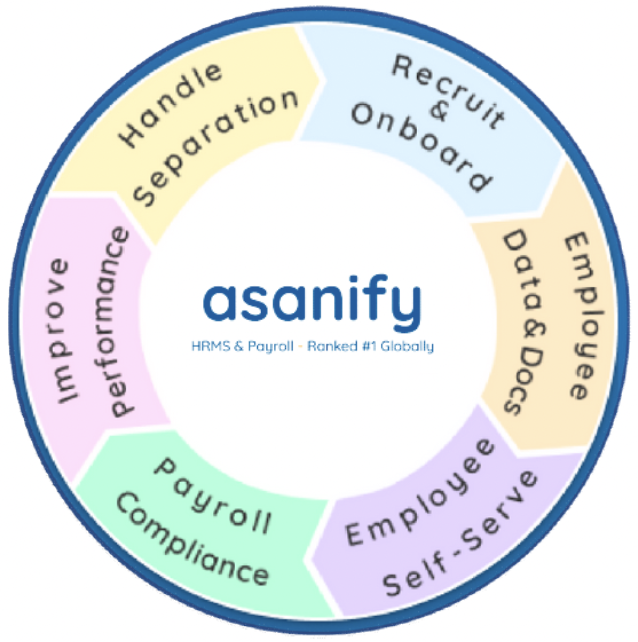
Modern HRMS platforms provide comprehensive tools for managing tenaga kerja across different categories and locations. These systems centralize employee data, making it easier to track workforce composition, qualifications, and deployment. Automated attendance tracking ensures accurate monitoring of working hours and overtime, which is critical for Indonesian labor law compliance.
HRMS solutions also streamline payroll processing for diverse tenaga kerja types, calculating appropriate deductions and benefits based on employment classification. Reporting features enable HR teams to analyze workforce metrics, identify skill gaps, and plan future hiring needs. Digital document management ensures all employment contracts, certifications, and compliance records are properly maintained. Furthermore, self-service portals empower tenaga kerja to access their information, request leave, and communicate with management efficiently.
FAQs About Tenaga Kerja
What is the difference between tenaga kerja and karyawan?
Tenaga kerja refers broadly to the workforce or labor force, while karyawan specifically means employee. All karyawan are part of the tenaga kerja, but tenaga kerja can include job seekers and those available for work who are not yet employed.
How does Indonesian law classify tenaga kerja?
Indonesian labor law classifies tenaga kerja into several categories including permanent employees, contract workers (PKWT), outsourced workers, and daily laborers. Each category has different rights, benefits, and termination procedures that employers must follow.
What are the key rights of tenaga kerja in Indonesia?
Tenaga kerja in Indonesia are entitled to fair wages meeting minimum wage standards, social security benefits (BPJS), paid leave, safe working conditions, and protection against unfair dismissal. Employers must comply with these regulations or face legal consequences.
How can companies effectively plan their tenaga kerja needs?
Effective tenaga kerja planning involves analyzing current workforce composition, forecasting future business requirements, assessing skill gaps, and considering market conditions. HR should use data-driven tools to predict hiring needs and develop succession plans.
What documentation is required for managing tenaga kerja in Indonesia?
Essential documentation includes employment contracts, job descriptions, attendance records, payroll registers, tax documents, social security registrations, and termination papers. Proper documentation ensures legal compliance and protects both employer and employee rights.
Simplify HR Management & Payroll Globally
Hassle-free HR and Payroll solution for your Employess Globally
Your 1-stop solution for end to end HR Management
- Hire to Retire HR Process Automation
- EOR Services for your Global Employees
- Pay your Contractors Globally in 200+ Countries
Not to be considered as tax, legal, financial or HR advice. Regulations change over time so please consult a lawyer, accountant or Labour Law expert for specific guidance.