
Wellness Leave

Intro to Wellness Leave?
Wellness leave is a progressive employee benefit that allows staff members to take time off specifically for mental, physical, or emotional health. Unlike traditional sick leave reserved for illness, wellness leave is proactive. It empowers employees to prioritize self-care before burnout sets in. Organizations adopting this leave type recognize that employee well-being directly impacts productivity and retention.
Definition of Wellness Leave
Wellness leave refers to paid or unpaid time off granted to employees for health maintenance and personal well-being activities. This may include mental health days, spa visits, fitness activities, meditation retreats, or simply rest. The key distinction lies in its preventive nature rather than reactive. While sick leave addresses existing health issues, wellness leave prevents them. Companies may offer wellness leave as part of their comprehensive leave policy, separate from casual or earned leave. The structure varies by organization, with some providing dedicated wellness days annually while others integrate it into flexible time-off policies.
Importance of Wellness Leave in HR
Wellness leave has become increasingly vital in modern HR strategy. First, it demonstrates organizational commitment to employee health beyond compliance. This builds trust and strengthens employer branding. Second, it reduces absenteeism by encouraging preventive care. Employees who address stress early take fewer emergency sick days later. Third, wellness leave supports mental health awareness, helping destigmatize psychological well-being in workplace culture.
Furthermore, offering wellness leave improves talent attraction and retention. Job seekers, especially millennials and Gen Z professionals, actively seek employers who value work-life balance. Companies that provide wellness benefits differentiate themselves in competitive markets. Finally, wellness leave contributes to higher engagement. Employees who feel supported in maintaining their health show greater commitment and deliver better performance. This creates a positive cycle where organizational investment in wellness yields measurable business outcomes.
Examples of Wellness Leave
A software company allocates three wellness days annually to each employee. Developers use these days for yoga retreats, therapy sessions, or digital detox breaks. The HR team tracks usage patterns and notices reduced burnout complaints during high-pressure project phases.
A marketing agency implements flexible wellness leave without fixed day limits. Employees submit requests explaining their wellness activity, whether attending fitness classes or spending time in nature. Management approves based on workload and team availability. This approach builds autonomy while maintaining operational continuity.
A customer service center combines wellness leave with compensatory off policies. After intense campaign periods, employees receive both comp-off for extra hours worked and wellness leave for recovery. This dual approach acknowledges both compensation and health needs, leading to lower turnover rates.
How HRMS Platforms Like Asanify Support Wellness Leave
Modern HRMS platforms streamline wellness leave management through dedicated leave categories and automated workflows. These systems allow HR teams to configure wellness leave as a distinct type, separate from sick leave or vacation. Employees can request wellness days through self-service portals, specifying their wellness activities if required by company policy.
Advanced platforms provide analytics on wellness leave utilization patterns. HR leaders identify which departments use wellness benefits most frequently and where intervention might prevent burnout. Calendar integration ensures teams maintain coverage while individuals take wellness time. Approval workflows route requests to appropriate managers based on configurable rules.
Additionally, HRMS solutions generate compliance reports, especially important when wellness leave interacts with statutory requirements. Some platforms offer mobile access, enabling employees to request wellness leave conveniently. Integration with benefits platforms creates a holistic view of employee well-being initiatives alongside unpaid time off and other leave types.
FAQs About Wellness Leave
What is the difference between wellness leave and sick leave?
Sick leave is reactive, granted when employees are already ill and unable to work. Wellness leave is proactive, allowing employees to maintain their health before problems develop. Sick leave typically requires medical documentation for extended absences, while wellness leave focuses on preventive self-care activities.
Is wellness leave mandatory in India?
No, wellness leave is not legally mandated in India. It is an optional benefit that progressive employers offer beyond statutory leave requirements like earned leave, sick leave, and casual leave. Companies implement wellness leave as part of their employee value proposition.
How many wellness leave days should companies offer?
Most organizations offer between two to five wellness days annually. The number depends on company size, industry, and overall leave policy. Some companies integrate wellness leave into unlimited PTO models, while others provide fixed allocations.
Can employees carry forward unused wellness leave?
Carry-forward policies vary by organization. Some companies follow a “use it or lose it” approach to encourage employees to prioritize wellness regularly. Others allow limited carry-forward, typically up to one year, acknowledging that wellness needs vary annually.
Do employees need to disclose how they use wellness leave?
Disclosure requirements depend on company policy. Some organizations request general wellness activity categories for tracking purposes, while others maintain privacy and simply approve wellness leave requests. Transparency levels should balance organizational insight with employee comfort.
Simplify HR Management & Payroll Globally
Hassle-free HR and Payroll solution for your Employess Globally
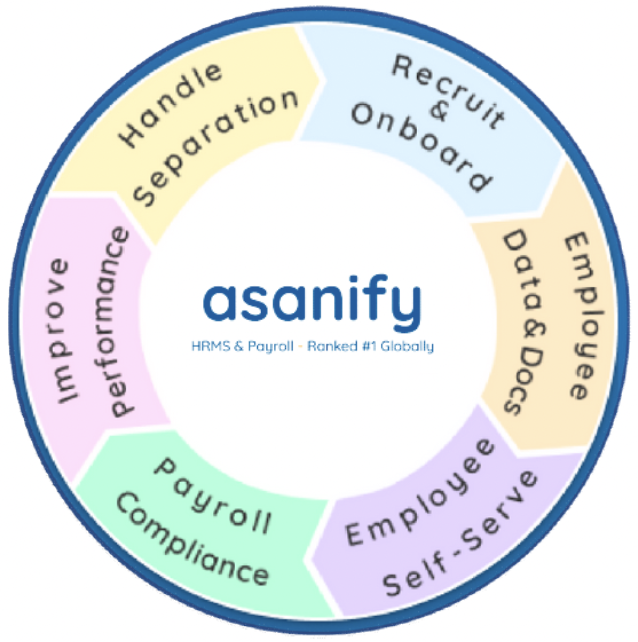
Your 1-stop solution for end to end HR Management
- Hire to Retire HR Process Automation
- EOR Services for your Global Employees
- Pay your Contractors Globally in 200+ Countries
Not to be considered as tax, legal, financial or HR advice. Regulations change over time so please consult a lawyer, accountant or Labour Law expert for specific guidance.