
Objectives of HR Audit

Intro to Objectives of HR Audit?
An HR audit is a comprehensive evaluation of an organization’s human resource policies, practices, and procedures. The objectives of HR audit guide this systematic review to ensure compliance, identify gaps, and improve overall workforce management efficiency.
Definition of Objectives of HR Audit
The objectives of HR audit refer to the specific goals and intended outcomes that organizations aim to achieve when conducting a thorough examination of their HR functions. These objectives typically include verifying legal compliance with labor laws, assessing the effectiveness of HR policies, evaluating employee documentation accuracy, measuring alignment between HR practices and business goals, and identifying areas for improvement. An HR audit serves as a diagnostic tool that helps organizations maintain regulatory adherence while optimizing their people management strategies. The scope can range from reviewing recruitment processes and compensation structures to examining employee records and performance management systems.
Importance of Objectives of HR Audit in HR
Clearly defined HR audit objectives are crucial for organizational success and risk mitigation. First, they ensure legal compliance by identifying gaps in adherence to employment laws, thereby protecting companies from costly litigation and penalties. Second, well-structured audit objectives help organizations align their objectives of Human Resource Management with broader business strategies, creating consistency across departments.
Additionally, HR audit objectives drive operational efficiency by uncovering redundancies and streamlining processes. They also enhance employee retention by revealing systemic issues that may cause dissatisfaction. Finally, these objectives provide a framework for continuous improvement, enabling HR teams to benchmark their performance against industry standards and implement data-driven enhancements.
Examples of Objectives of HR Audit
Example 1: Compliance Verification Audit
A manufacturing company conducts an HR audit with the primary objective of ensuring compliance with wage and hour laws. The audit reviews employee classification (exempt vs. non-exempt), overtime calculations, and record-keeping practices. The findings reveal discrepancies in how overtime is calculated for shift workers, prompting immediate corrective action and policy updates.
Example 2: Recruitment Process Evaluation
A technology startup sets an HR audit objective to assess the effectiveness of its hiring procedures. The audit examines time-to-fill metrics, candidate experience feedback, and diversity statistics. Results show that the interview process takes 45 days on average, significantly longer than industry benchmarks, leading to the implementation of streamlined screening protocols.
Example 3: Employee Documentation Review
A retail chain establishes an audit objective to verify the completeness and accuracy of employee files. The review uncovers missing I-9 forms, outdated emergency contact information, and incomplete performance review documentation. This prompts a company-wide initiative to digitize records and implement automated reminders for document renewals.
How HRMS Platforms Like Asanify Support Objectives of HR Audit
Modern HRMS platforms provide comprehensive tools that facilitate the achievement of HR audit objectives. These systems maintain centralized employee databases with complete documentation, making it easier to conduct thorough audits and generate compliance reports instantly.
Advanced platforms offer automated compliance tracking that monitors changing labor laws and flags potential violations before they become issues. They also provide audit trails that document every system change, creating transparency and accountability. Built-in reporting capabilities allow HR teams to analyze data across multiple dimensions, from payroll accuracy to benefits enrollment completeness.
Furthermore, HRMS solutions streamline document management by storing policies, employee handbooks, and signed acknowledgments in secure, searchable repositories. This eliminates the manual effort required during traditional audits and ensures that audit objectives related to documentation accuracy are easily verifiable.
FAQs About Objectives of HR Audit
What are the primary objectives of conducting an HR audit?
The primary objectives include ensuring legal compliance with labor laws, evaluating the effectiveness of HR policies and procedures, assessing data accuracy in employee records, identifying operational inefficiencies, and aligning HR practices with organizational goals. These objectives help organizations minimize risk while optimizing their human capital management.
How often should organizations conduct HR audits?
Most organizations conduct comprehensive HR audits annually, though some prefer semi-annual reviews for high-risk areas like payroll and compliance. Smaller, focused audits on specific functions can occur quarterly. The frequency depends on company size, industry regulations, recent organizational changes, and past audit findings.
Who should be involved in setting HR audit objectives?
HR audit objectives should be collaboratively established by senior HR leaders, legal counsel, finance teams, and executive management. This cross-functional approach ensures that audit objectives address compliance requirements, financial accuracy, strategic alignment, and operational effectiveness. External consultants may also provide valuable input based on industry best practices.
What areas should HR audit objectives typically cover?
HR audit objectives should encompass recruitment and onboarding processes, compensation and benefits administration, performance management systems, employee relations and engagement, training and development programs, compliance with employment laws, documentation and record-keeping, and health and safety protocols. The specific focus areas may vary based on organizational priorities and identified risk factors.
How do clear HR audit objectives improve organizational performance?
Well-defined audit objectives create a structured framework for identifying weaknesses and implementing improvements. They establish measurable benchmarks that help track progress over time, reduce legal and financial risks through proactive compliance management, enhance employee satisfaction by addressing systemic issues, and support strategic decision-making by providing data-driven insights into HR effectiveness.
Simplify HR Management & Payroll Globally
Hassle-free HR and Payroll solution for your Employess Globally
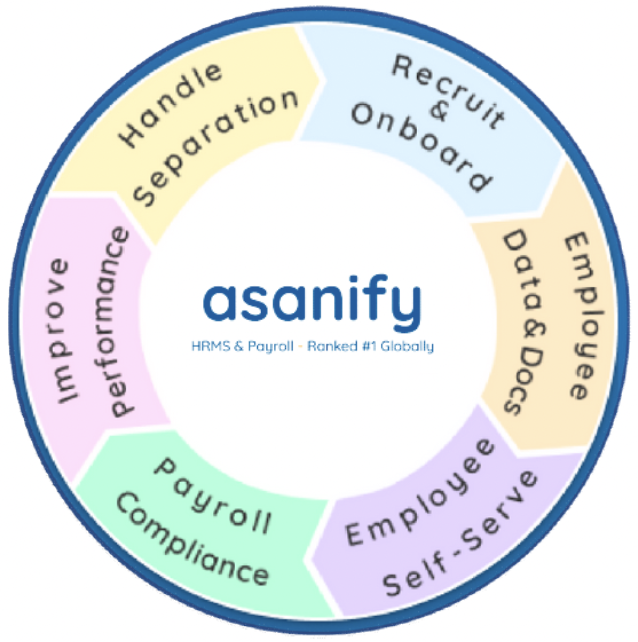
Your 1-stop solution for end to end HR Management
- Hire to Retire HR Process Automation
- EOR Services for your Global Employees
- Pay your Contractors Globally in 200+ Countries
Not to be considered as tax, legal, financial or HR advice. Regulations change over time so please consult a lawyer, accountant or Labour Law expert for specific guidance.