
Types of Leaves in Company

Intro to Types of Leaves in Company
Types of leaves in a company refer to the various categories of approved absences employees can take from work. These leave categories serve different purposes, from health recovery to personal obligations, and form the foundation of a company’s leave policy. Understanding these types helps both employers and employees maintain work-life balance while ensuring business continuity.
Definition of Types of Leaves in Company
Types of leaves in a company are formally defined categories of time off that employees can request and utilize according to organizational policies and legal requirements. Each leave type has specific eligibility criteria, duration limits, and approval processes. Common categories include paid time off, sick leave, parental leave, casual leave, and privilege leave. The specific types available vary by country, industry, and company size. Employers must comply with local labor laws while designing their leave policy for employees, which governs how these leaves are granted and managed.
Importance of Types of Leaves in Company in HR
Properly structured leave types protect both employee wellbeing and organizational productivity. When companies offer clear leave categories, employees can plan their time off without ambiguity. This transparency reduces conflicts and improves morale. From a compliance perspective, offering legally mandated leaves protects companies from lawsuits and penalties. Different leave types also address specific business needs—sick leave prevents workplace illness spread, while planned vacation leaves allow for resource planning. Furthermore, comprehensive leave options serve as competitive advantages in talent acquisition and retention. Organizations that understand types of leaves in India or types of leaves in the United States can better design region-specific policies that attract top talent.
Examples of Types of Leaves in Company
Example 1: Tech Startup Leave Structure
A growing software company offers earned leave (24 days annually), sick leave (12 days), parental leave (16 weeks for primary caregivers), bereavement leave (5 days), and sabbatical leave (30 days after 5 years). Employees can carry forward up to 10 unused earned leaves to the next year. This structure balances flexibility with accountability.
Example 2: Manufacturing Firm Policy
A manufacturing company provides casual leave (7 days), medical leave (10 days with doctor’s certificate), annual leave (15 days), maternity leave (26 weeks as per law), and compensatory off for overtime work. The policy clearly distinguishes between planned and unplanned absences, helping floor managers maintain production schedules.
Example 3: Remote-First Organization
A fully remote company implements unlimited PTO alongside mandatory leaves including sick leave, parental leave, mental health days (5 per year), and volunteer leave (3 days annually). The focus shifts from tracking days to monitoring output and wellbeing, reflecting modern workplace values.
How HRMS platforms like Asanify support Types of Leaves in Company
Modern HRMS platforms streamline leave management by automating the entire lifecycle. These systems allow HR teams to configure multiple leave types with specific rules, accrual rates, and carryover policies. Employees can view their leave balances in real-time and submit requests through self-service portals. Managers receive notifications for approvals and can check team availability before making decisions. Advanced platforms generate compliance reports, track leave patterns, and flag potential issues like excessive absenteeism. Integration with payroll ensures accurate salary calculations when unpaid leaves occur. Calendar synchronization helps teams plan around absences, while mobile access enables on-the-go leave management. These capabilities reduce administrative burden and improve transparency across the organization.
FAQs about Types of Leaves in Company
What are the most common types of leaves offered by companies?
The most common types include annual or earned leave, sick leave, casual leave, maternity and paternity leave, and bereavement leave. Many companies also offer compensatory off, leave without pay, and sabbatical leave. The specific offerings depend on legal requirements and company policy.
How do paid and unpaid leaves differ?
Paid leaves provide full salary compensation during the absence, including earned leave, sick leave, and statutory leaves like maternity leave. Unpaid leaves, also called leave without pay, do not carry salary compensation and are typically granted after exhausting paid leave balances or for extended personal reasons.
Can employees carry forward unused leaves to the next year?
This depends on company policy and leave type. Many organizations allow carrying forward a portion of earned or annual leave, often with a maximum cap. However, casual and sick leaves typically expire at year-end. Clear communication about carryover rules prevents confusion and ensures employees utilize their entitlements.
How should companies handle leave requests during peak business periods?
Companies should establish clear policies about blackout periods or high-priority seasons in advance. While employees have leave rights, advance notice requirements and minimum staffing levels can be enforced. Fair rotation systems ensure everyone gets opportunities for preferred dates across different years.
What documentation is required for different leave types?
Documentation requirements vary by leave type. Sick leaves beyond a certain duration typically require medical certificates. Parental leaves need birth certificates or adoption papers. Bereavement leaves may require death certificates. Casual and earned leaves usually need only manager approval. Clear documentation policies protect both employees and employers.
Simplify HR Management & Payroll Globally
Hassle-free HR and Payroll solution for your Employess Globally
Your 1-stop solution for end to end HR Management
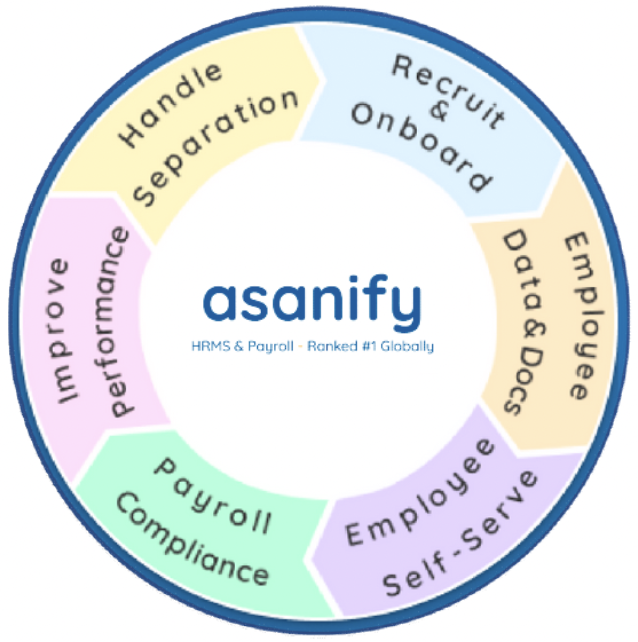
- Hire to Retire HR Process Automation
- EOR Services for your Global Employees
- Pay your Contractors Globally in 200+ Countries
Not to be considered as tax, legal, financial or HR advice. Regulations change over time so please consult a lawyer, accountant or Labour Law expert for specific guidance.